Don’t scare away the investors Nepal needs – The Himalayan Times – Nepal’s No.1 English Daily Newspaper
KATHMANDU, AUGUST 9
Prime Minister Balendra Shah and Finance Minister Swarnim Wagle have spent weeks telling business leaders that the government wants to create a more conducive environment for investment. But while the government talks about confidence, the actions of investigative agencies are beginning to create the opposite impression.
Two recent incidents -a raid on the home of a prominent businessman in Biratnagar and arrest warrants issued against board members of a leading national bank-have unsettled the business community. RSP Chair Rabi Lamichhane has also, albeit indirectly, acknowledged growing distrust among businesspeople towards the government.
The issue is not whether businesspeople should be above the law. They should not. The issue is whether enforcement agencies are following due process, establishing credible evidence and determining individual culpability before resorting to coercive action.
The reported failure to uncover evidence of wrongdoing during the Biratnagar raid has only strengthened concerns that enforcement may sometimes be preceding investigation.
That is dangerous-not just for the individual targeted, but for the investment climate as a whole.
As CNI Vice President Bhim Ghimire told The Himalayan Times, the government has yet to present a clear roadmap addressing private-sector concerns and restoring confidence.
The warning is particularly significant because Nepal is not suffering from a shortage of money. More than Rs 1.5 trillion is reportedly parked as liquidity in the banking system, while interest rates have fallen substantially. Yet businesses remain reluctant to borrow and invest.
“Business people do not want to take loans and invest because there is no conducive environment for business,” Ghimire said.
That is the real problem. When money is cheap but entrepreneurs are unwilling to risk their capital, the crisis is one of confidence, not liquidity.
The private sector is not asking for immunity. It is asking for predictable regulation, protection of legitimate investment and due process. As Ghimire put it: “I am not saying all business people are genuine, but the government must not harass genuine business people.”
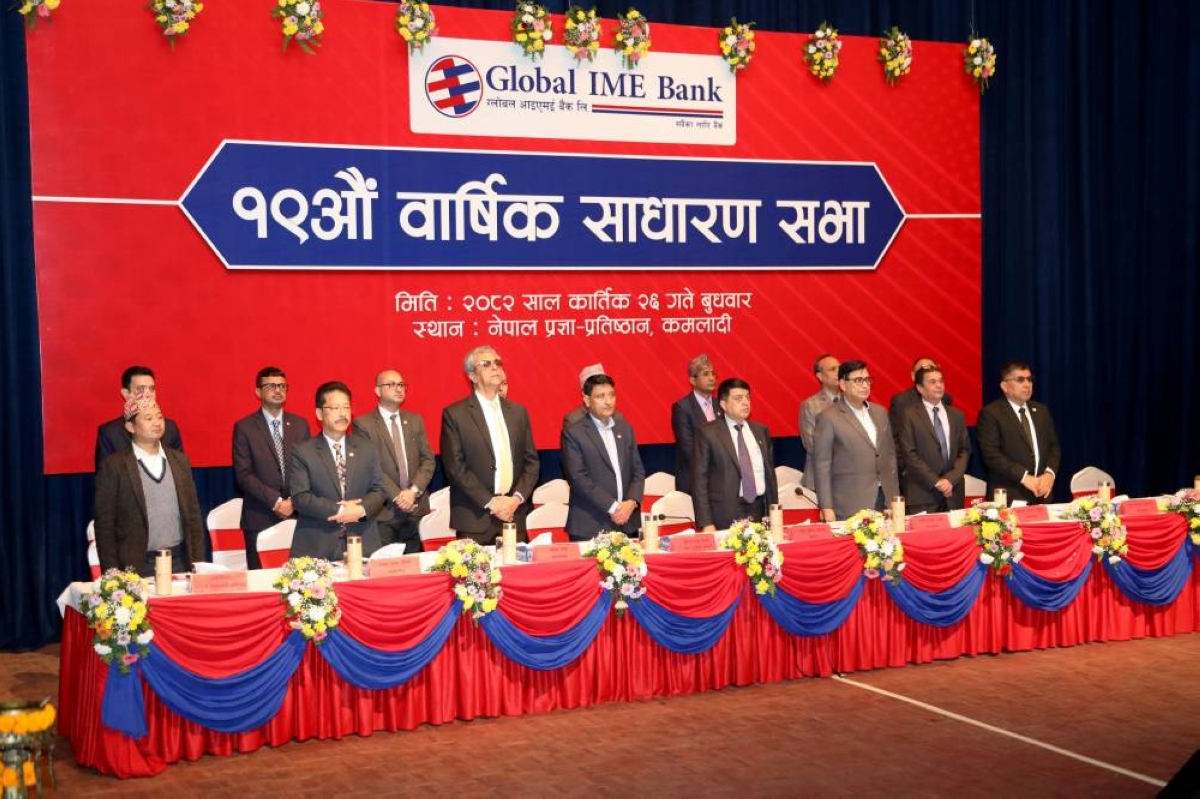
The banking sector deserves particular caution. Nepal’s banks are critical to economic stability and among the first institutions foreign investors examine. Arresting bankers or entire boards without first establishing clear legal grounds and individual responsibility can damage confidence in the banking system itself.
FNCCI Vice President Naresh Lal Shrestha has warned that unnecessary arrests of businesspeople who have contributed to the economy for decades can damage their reputation and “dampen the spirit of potential investors.”
Nepal desperately needs investment-to revive industry, create jobs, build infrastructure and accelerate growth. Domestic capital alone cannot meet that need. Foreign investment is indispensable.
But foreign investors do not listen only to ministers. They listen to Nepali entrepreneurs. They watch how the state treats those who have already invested in the country.
An investor calculates not just tax rates and returns, but also political risk, legal predictability, property protection and the fairness of enforcement. If those risks appear to be rising, investment-promotion rhetoric will achieve little.
Business leaders should not be untouchable. Neither should they be presumed guilty.
Investigate wrongdoing. Establish evidence. Punish those found guilty. But do so through the law.
Investor confidence takes years to build and only a few high-profile incidents to destroy. The Shah administration must therefore move beyond meetings and assurances and produce a credible investment-confidence roadmap-one that guarantees policy stability, predictable regulation, protection of legitimate property and, above all, the rule of law.










Post Comment