Ginger is paying better, and Ilam farmers are planting more – The Himalayan Times – Nepal’s No.1 English Daily Newspaper
Key Takeaways:
- Farmers like Deshraj Limbu expect Rs 500,000+ income from ginger this year
- Ginger prices reached Rs 4,500 per maund last season, now up to Rs 7,000
- Seed and mature ginger sales provide dual income streams for growers
- Ilam produced 50,620 metric tonnes of ginger last year on 3,221 hectares
KATHMANDU, AUGUST 9
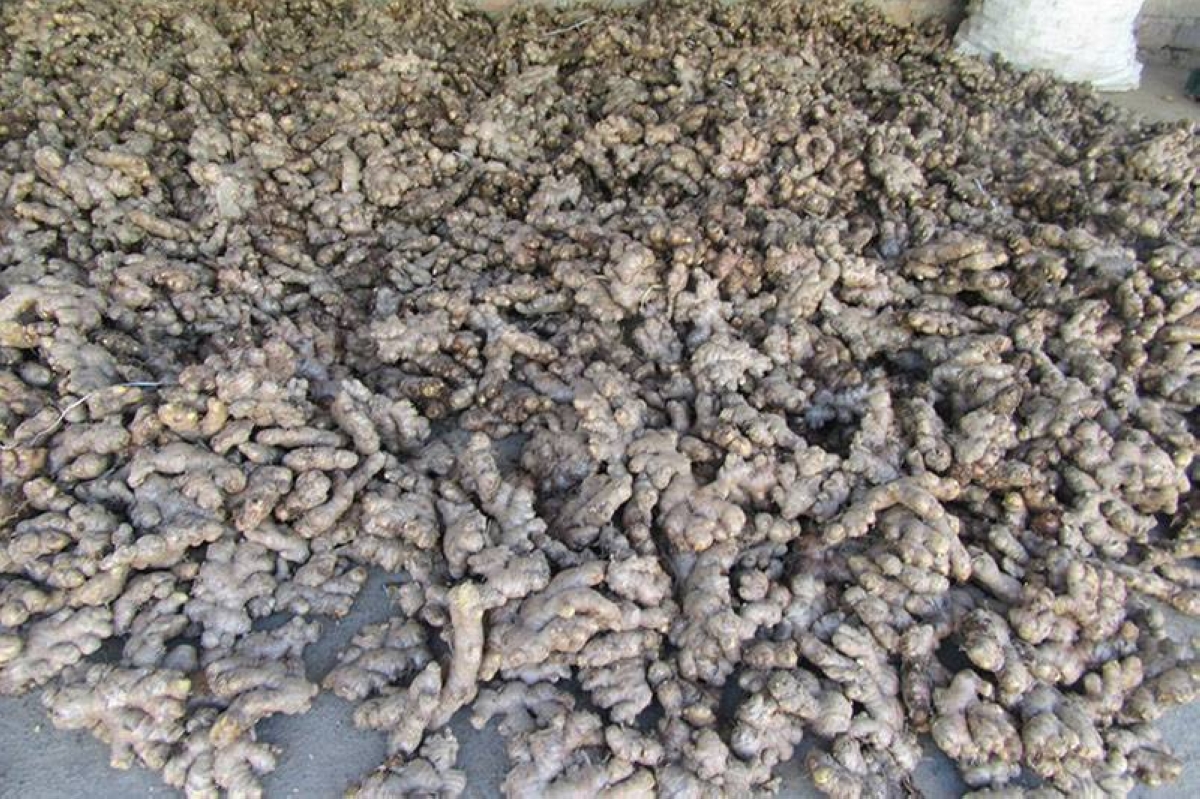
Attractive ginger prices are encouraging farmers in Ilam to expand commercial cultivation, with some expecting to earn more than Rs 500,000 from the crop this year.
Farmer Deshraj Limbu of Mangsebung-2 earned Rs 315,000 last year from 90 maunds of ginger grown on five ropanis of land. Encouraged by the return, he has planted 20 maunds of seed ginger this year and expects production to reach 120 maunds. “If I get a price similar to last year, I expect to earn more than Rs 500,000 this year,” he said.
Another farmer, Raj Kumar Rai, earned Rs 200,000 last year from 50 maunds sold at Rs 4,000 per maund. He has expanded cultivation this year, saying ginger income covers household expenses and children’s education.
Teju Rai of Mangsebung-3 has also moved into commercial production, planting 60 maunds of seed ginger on 10 ropanis. He said farmers are increasingly shifting away from rice and other crops toward ginger, attracted by higher returns.
Prices have surged, with mature ginger selling for Rs 7,000 per maund in Dhulabari, Jhapa, and around Rs 6,000 in Ilam, according to traders. Farmers benefit twice, as both seed and mature ginger generate income.
Farmers in Ilam cultivate three types of ginger-large, medium and small. Mature ginger is sold until Bhadra, while the main crop is marketed from Kartik to Jestha. Ginger produced in the district is traded through centres including Ilam Bazaar, Biblyante, Mangalbare, Gajurmukhi, Chature, Mangsebung, Pashupatinagar, Danabari and Harkate.
According to the Agriculture Knowledge Centre, commercial ginger is currently cultivated on 3,221 hectares in Ilam, producing 50,620 metric tonnes last year.









Post Comment