Why Volvo CEO Is Staying Calm About New Auto Tariffs
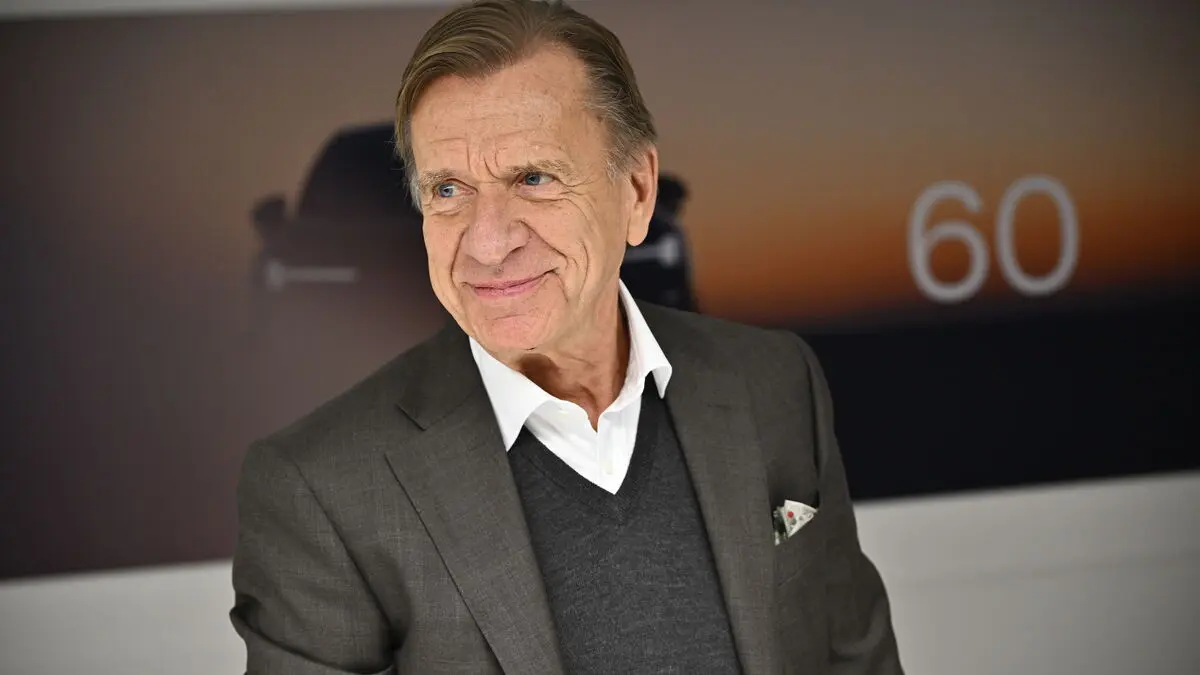
As global trade tensions rise again, many automakers are bracing for higher costs and supply chain disruptions. Tariffs—especially those targeting electric vehicles and foreign-built cars—have become a serious concern across the industry. However, Volvo’s CEO is striking a noticeably different tone. In fact, he has openly suggested that he’s not overly worried.
So why the confidence?
Volvo’s Global Footprint Changes the Math
Unlike some rivals that rely heavily on a single country for production, Volvo operates a highly diversified manufacturing network. The company builds vehicles in Europe, China, and the United States. Because of this, Volvo can shift production more easily when tariffs make certain routes less economical.
As a result, the company isn’t locked into one vulnerable supply chain. Instead, it can adapt—something many automakers still struggle to do.
Local Production Softens the Tariff Impact
Another key reason for Volvo’s calm approach is its growing focus on local manufacturing. In the U.S., Volvo already produces vehicles domestically, including electric models. That strategy directly reduces exposure to import tariffs.
Moreover, as governments increasingly reward local production, Volvo’s long-term planning appears well aligned with policy trends. While tariffs may raise costs in some areas, they won’t hit Volvo as hard as brands that depend entirely on imports.
Premium Buyers Are Less Price-Sensitive
Volvo also benefits from its position in the premium segment. While tariffs can raise sticker prices, luxury and near-luxury buyers tend to be more tolerant of modest increases.
In addition, Volvo’s customers often prioritize safety, design, and sustainability over absolute price. Therefore, small cost adjustments are unlikely to significantly hurt demand.
EV Strategy Adds Another Layer of Protection
Importantly, Volvo’s aggressive push toward electrification plays a role as well. Governments continue to support EV adoption through incentives and regulations, which can offset tariff pressure.
At the same time, Volvo has been investing heavily in battery sourcing and software, reducing reliance on volatile external suppliers.
A Different Kind of Confidence
While many automakers are reacting defensively, Volvo appears to be playing the long game. Its CEO’s relaxed stance doesn’t suggest indifference—it reflects preparation.
In a world where tariffs come and go, flexibility may be the most valuable asset of all.











Post Comment