Volkswagen Tests Robotaxi With No Steering Wheel
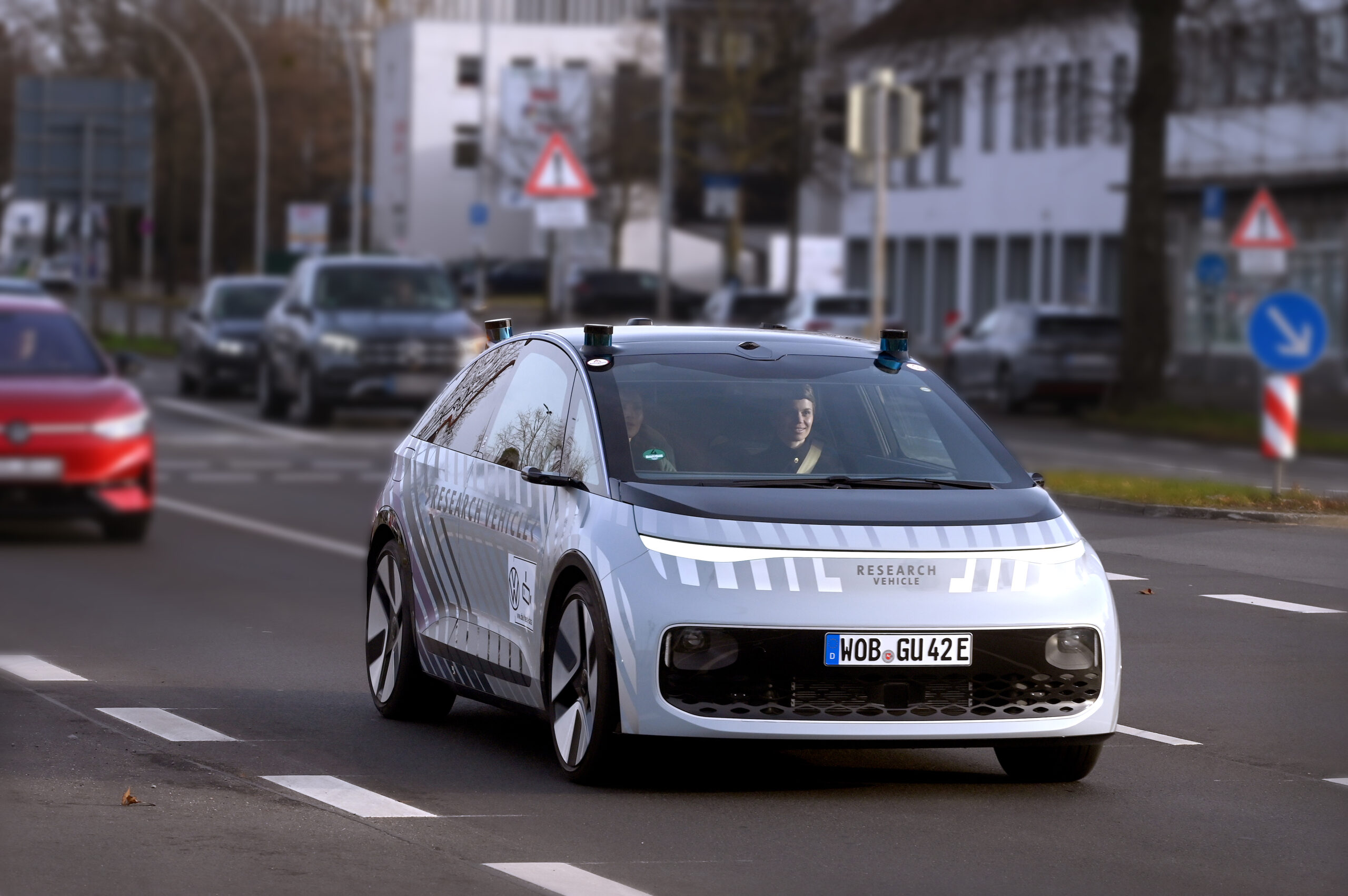
Volkswagen is taking a bold step toward autonomous mobility. The company is now testing a self-driving robotaxi that removes the steering wheel and pedals entirely. This move shows how serious Volkswagen is about a future without human drivers.
A Vehicle Designed Only for Autonomy
Unlike conventional cars, this robotaxi was built from the ground up for self-driving use. There is no driver seat, no dashboard controls, and no manual override. Because of this, the interior focuses entirely on passenger comfort and space.
Software Takes Full Control
Volkswagen relies on advanced sensors, cameras, and artificial intelligence to operate the vehicle. The system constantly monitors traffic, pedestrians, and road conditions. As a result, the robotaxi can navigate complex urban environments without human input.
Urban Mobility Is the Main Target
This autonomous vehicle is designed for city use. Short trips, ride-hailing services, and shared mobility platforms are the primary goals. By removing driver controls, Volkswagen reduces complexity and prepares the vehicle for fleet-based operations.
Safety Remains a Top Priority
Even without manual controls, safety systems play a major role. Redundant braking, backup sensors, and remote monitoring help manage unexpected situations. Volkswagen is testing extensively to ensure reliability before any public rollout.
Competing in the Robotaxi Race
Volkswagen is not alone in this space. Companies like Waymo, Cruise, and Baidu are also developing autonomous taxis. However, Volkswagen’s approach signals confidence in full autonomy rather than partial driver assistance.
A Glimpse Into Transportation’s Future
This robotaxi hints at how cities may move people in the coming decade. Without steering wheels or pedals, cars become shared spaces instead of personal machines. Volkswagen’s testing phase suggests that fully autonomous transport is closer than many expect.












Post Comment