India’s restrictions on sugar could add stress during festive season in Nepal – The Himalayan Times – Nepal’s No.1 English Daily Newspaper
KATHMANDU, MAY 14
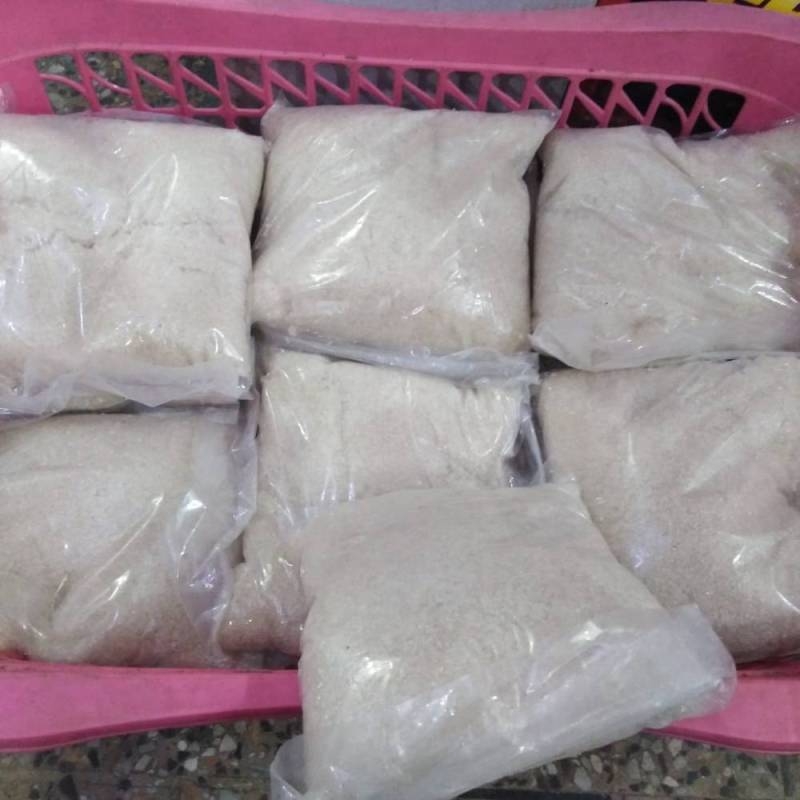
India’s recent restriction on sugar exports is unlikely to trigger an immediate shortage in Nepal, but it could add pressure during the festive season when demand peaks, according to Sanket Bhattarai, Assistant Chief Executive Officer of the Salt Trading Corporation Limited.
India banned sugar exports with immediate effect until September 30, citing domestic supply concerns as output falls and inflation rises.
“The export policy of Sugar (Raw Sugar, White Sugar, and Refined Sugar) is amended from ‘Restricted’ to ‘Prohibited’ with immediate effect until September 30, 2026, or until further orders, whichever comes first,” the Directorate General of Foreign Trade (DGFT) stated in a notification dated May 13.
The decision by India to prohibit sugar exports is expected to have a limited immediate impact on Nepal because domestic stock is still available, but pressure may increase around Dashain, Tihar, and Chhath, when demand is highest, according to Bhattarai.
He stated that Nepal’s current supply situation is stable. “Right now, there should still be Nepali stock available,” he said, adding that the main pressure occurs when the festive season coincides with the end of the sugar production cycle.
According to Bhattarai, India has already imposed restrictions on sugar exports, and the latest move appears to make the ban more explicit. “India had not allowed free export before; restrictions were already in place,” he said. He added that India may be trying to protect its domestic market and keep buffer stock in view of possible lower production linked to weather conditions.
He said Nepal’s import requirement is relatively small and that India has previously released special quotas for Nepal even during restrictive periods. “Even during the restrictions, they issued special quotas for Nepal,” he said.
Bhattarai also mentioned a broader fertiliser crisis, describing it as a global issue that could affect agriculture if it persists.
International fertiliser prices have almost doubled in the last five to six months, he said, and he cautioned that availability-rather than just price-is becoming an issue. “The fertiliser crisis is a global crisis,” he stated.
According to him, Nepal’s agriculture is particularly vulnerable because it relies on monsoon rainfall rather than irrigation. He said that if fertiliser shortages persist and tenders fail, top dressing may suffer, but he hoped that supplies would improve before the rice season.
Bhattarai linked the sugar export restriction to lower rainfall and production concerns, which he attributed to El Niño-related weather stress.
Bhattarai suggested that the problem could be attributed to forecast changes in rainfall rather than the Middle East conflict.
He stated that if rainfall remains low, India may expect lower output next year and thus hold back stock now to stabilise its domestic market.
That, he suggested, could explain the early tightening of export flows. “Maybe because of the weather forecast and the possibility of less rainfall, they are acting early in case production drops,” he said.








Post Comment