Bajura produces 337 tonnes of apples but struggles to reach markets – The Himalayan Times – Nepal’s No.1 English Daily Newspaper
Key Takeaways:
- Bajura produced 337 tonnes of apples this year
- Only 56 percent of the harvest was sold
- Farmers cited poor roads, transport costs and lack of cold storage as major challenges
- Apple cultivation continues to expand across the district
- Local officials say better infrastructure is needed to improve market access
BAJURA, NOVEMBER 19
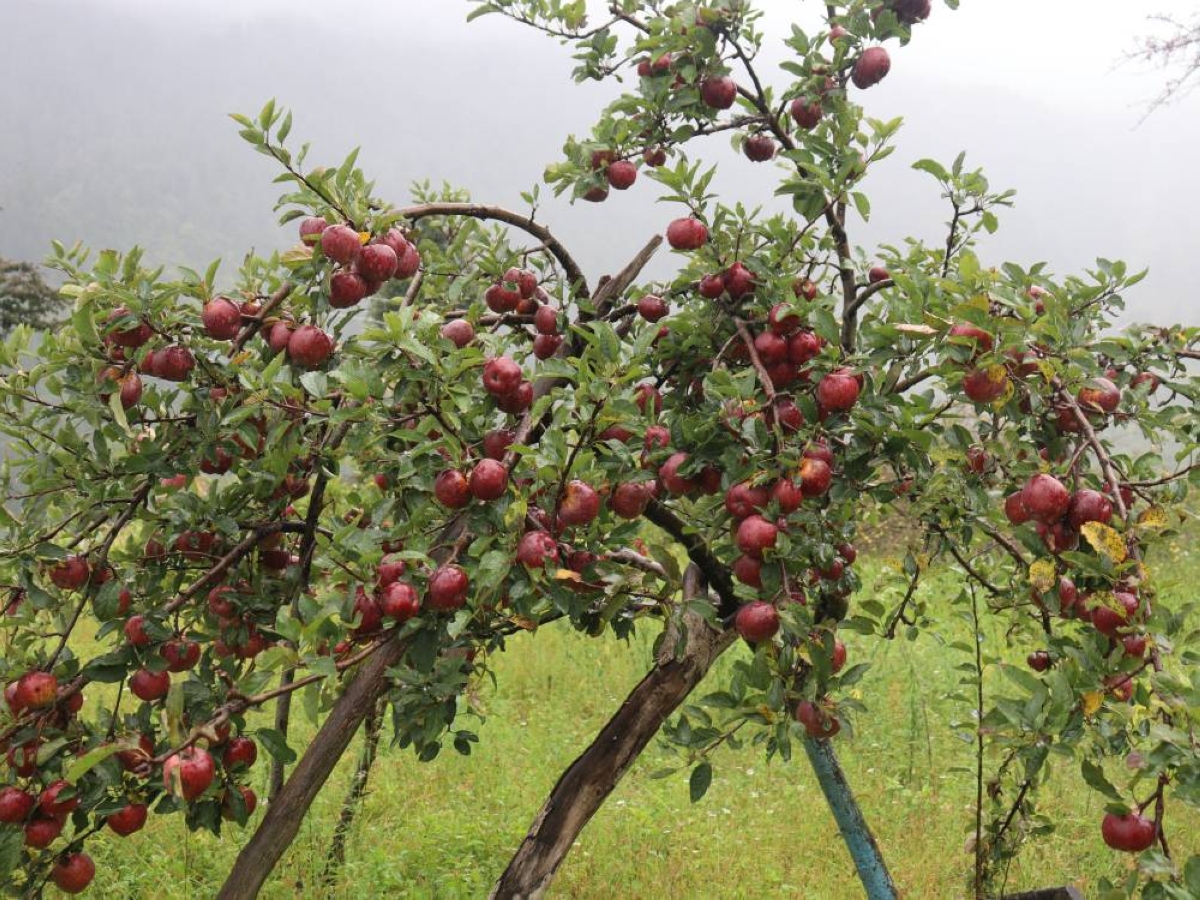
Apple production in Bajura increased to 337 metric tonnes this year, but poor road access, high transportation costs and the absence of cold storage facilities prevented farmers from selling a large share of their harvest.
According to the Agriculture Knowledge Centre, only 56 percent of the district’s total apple production was sold, generating Rs 17.13 million in revenue.
Swamikartik Khapar Rural Municipality recorded the highest production with 125 tonnes, followed by Jagannath Rural Municipality with 97 tonnes, Budhinanda Municipality with 78 tonnes and Himali Rural Municipality with 37 tonnes.
Officials said production has increased as apple cultivation expands across the district. Apples are currently grown on 425 hectares, although only 210 hectares are productive.
Despite the higher output, farmers struggled to transport their produce during the harvest season because roads damaged by monsoon rains were reopened only after much of the crop had ripened.
Agriculture Knowledge Centre chief Harish Bahadur Bista said the lack of transportation subsidies this year added to farmers’ difficulties. In previous years, subsidies had helped reduce the cost of moving apples to major markets.
Farmers say a significant portion of the harvest goes unsold or is sold at low prices because of limited market access and the absence of cold storage facilities.
Ujjwal Rawat, an apple farmer from Budhinanda Municipality, said road closures during the harvest season repeatedly disrupted transportation, while the absence of storage facilities prevented farmers from preserving apples for sale later in the year.
Local officials said improvements in roads, transportation services, storage infrastructure and market management would help expand commercial apple farming and increase farmers’ incomes.











Post Comment