Chevy Equinox EV Worked Fine—Then Died at 0% Battery
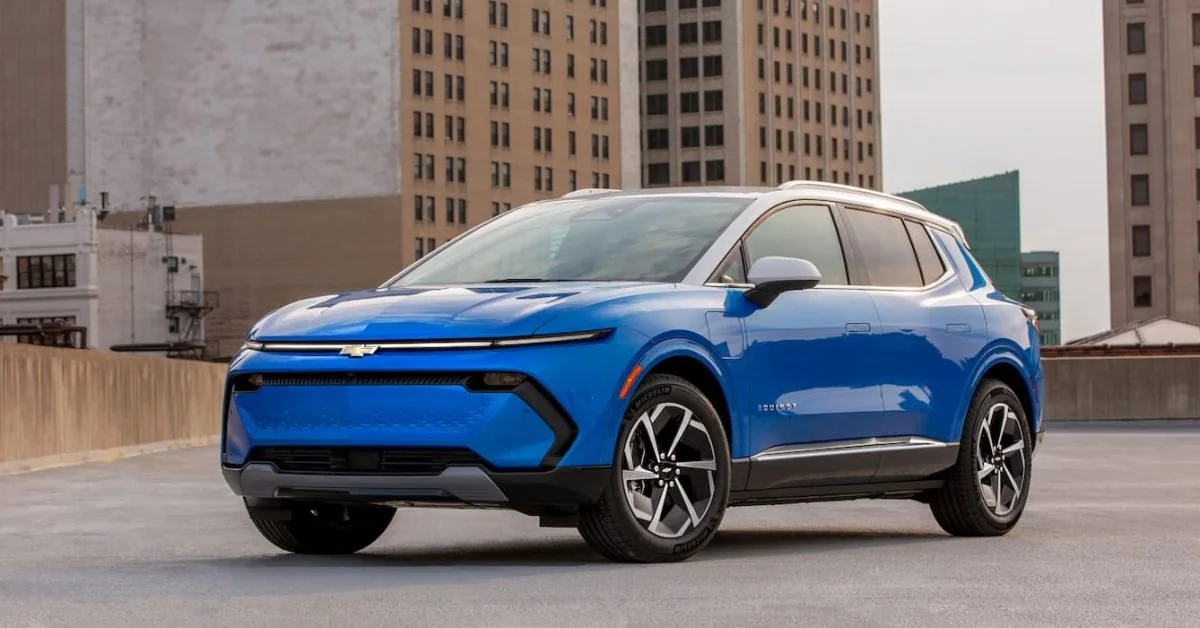
The Chevrolet Equinox EV has quickly become one of the most affordable long-range electric SUVs in America. For many buyers, it represents a practical entry into EV ownership. However, one recent incident is raising questions: the vehicle reportedly functioned normally—until the battery dropped to 0%, at which point it became completely unresponsive.
In other words, it appeared to “brick.”
What Happens When an EV Hits 0%?
Most electric vehicles don’t actually allow the battery to fully discharge. Even when the dashboard reads 0%, a small reserve typically remains to protect battery health.
However, if an EV is driven past multiple low-battery warnings and allowed to sit fully depleted, systems can shut down aggressively to prevent damage. In rare cases, the vehicle may require a full system reset or even dealer intervention to restart.
That’s likely what occurred here.
Why This Is a Bigger Concern for New EV Owners
Unlike gasoline cars—where running out of fuel simply requires a refill—EVs depend on high-voltage battery management systems. If voltage drops below safe thresholds, the system may lock itself to avoid permanent battery damage.
Because of this, letting an EV sit at 0% for extended periods can sometimes trigger deeper shutdown protocols.
For new EV drivers transitioning from gas vehicles, this behavior can feel alarming. Seeing a vehicle become completely unresponsive naturally raises concerns about reliability.
Is This a Design Flaw?
Not necessarily. In most cases, bricking after 0% is more about battery protection than failure. EV manufacturers build safeguards to preserve long-term battery life.
Still, clearer driver warnings and education may help prevent similar incidents. Automakers often recommend charging before reaching 10–15%, especially in extreme weather.
The Takeaway for Equinox EV Owners
The Chevrolet Equinox EV remains a strong value in the electric SUV market. However, as with any EV, battery management is crucial.
The lesson is simple: treat 0% as an emergency buffer—not a usable range target.
In the EV world, prevention is always easier than recovery.














Post Comment