What makes a Superbrand? Understanding the global benchmark for brand excellence – The Himalayan Times – Nepal’s No.1 English Daily Newspaper
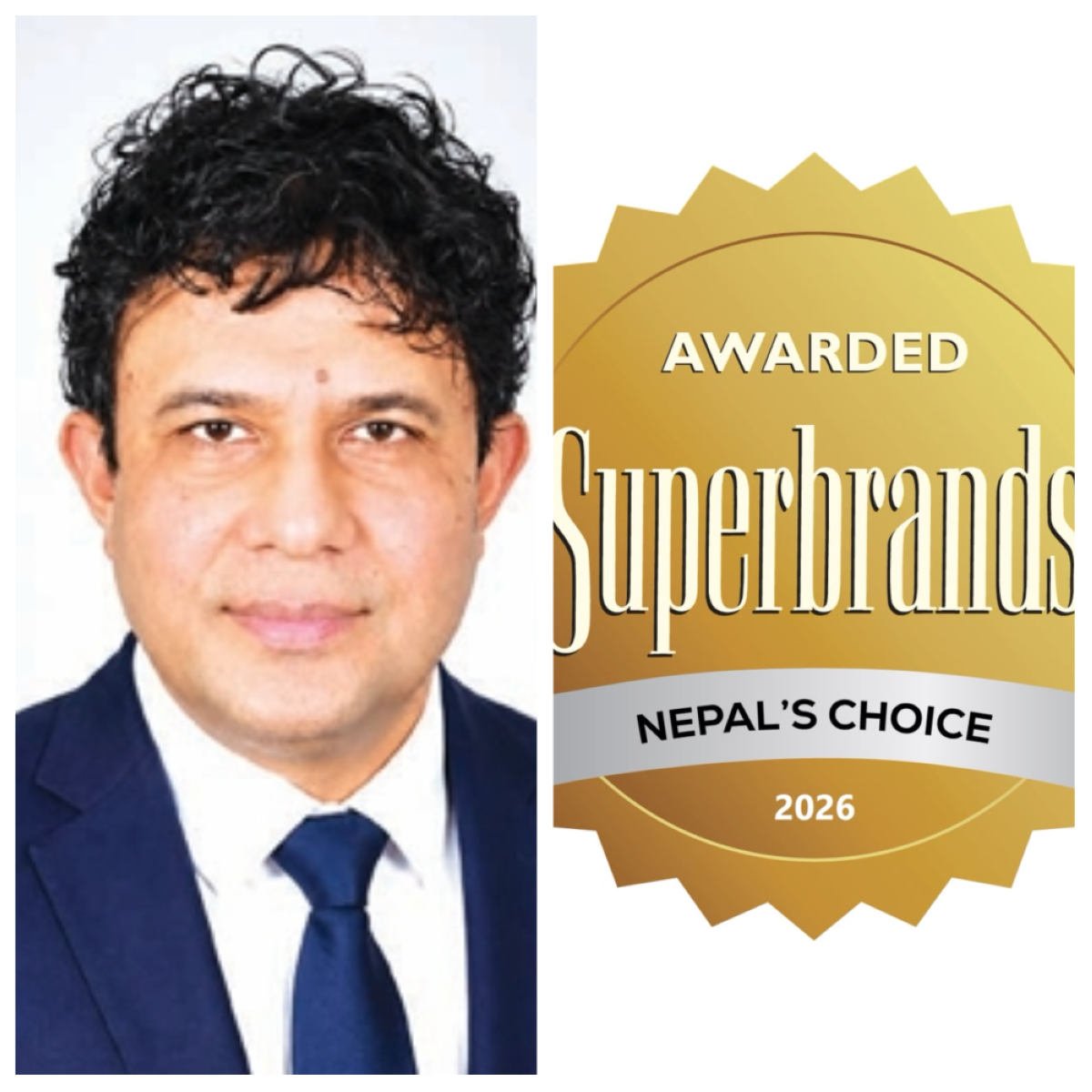
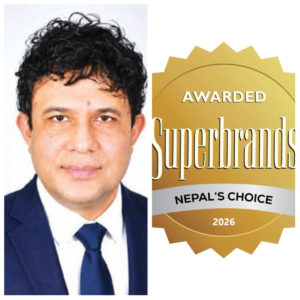
As Superbrands begins its journey in Nepal, The Himalayan Times speaks with Shariful Islam, Founder and Managing Director of Bangladesh Brand Forum (BBF) and Chairman of Superbrands Bangladesh, about what defines a Superbrand, how brands are evaluated and what the initiative could mean for Nepal’s evolving brand landscape. Excerpts:
For readers who may be hearing about Superbrands for the first time, what exactly is Superbrands and what does it represent globally?
Superbrands is the world’s largest independent brand arbiter. Established in the UK in 1992, it now operates in more than 90 countries and is one of the world’s most respected brand recognition platforms.
In each market, Superbrands identifies brands that have earned exceptional respect, trust and recognition. It also shares the stories and insights behind them so others can learn from what makes them exceptional. Recognition on its own is just a trophy; Superbrands was created to be more than that.
What distinguishes a Superbrand from simply a successful, well-known or popular brand?
Being well known is not the same as being trusted, and being popular is not the same as being enduring.
Superbrands follows a rigorous process to identify the very best brands in a market. While a category may have several successful and well-known brands, typically only one, and in some cases two, receives Superbrands recognition. That selectivity reflects the high standard required to qualify as a Superbrand.
How does a brand become a Superbrand? Could you explain the selection and evaluation process?
Every brand goes through a four-step process. First, the local team shortlists brands based on its knowledge of the market. These are then evaluated by the independent Superbrands Council against five parameters: Brand Heritage, Relevance in Category, Perceived Quality, Perceived Performance and Top-of-Mind Awareness.
The local and regional teams then identify the top brands in each category, with the final selection vetted by the global, regional and local teams.
Importantly, brands cannot apply or nominate themselves, and no commercial discussion takes place before a brand has been selected.
What is the role of the independent Superbrands Council, and why is it important to the credibility of the selection process?
The independent Superbrands Council plays a critical role in the selection process. Its members apply the evaluation criteria while bringing deep, first-hand knowledge of their own market, industries and consumers.
A framework can measure a brand against defined parameters, but experienced professionals provide the context needed to determine whether its performance is genuinely exceptional.
The credibility of a Superbrands list therefore depends greatly on the credibility of its Council. This is why selecting Council members is one of the most important decisions we make when entering a new market, and Nepal will be no exception.
Can Superbrands recognition simply be purchased? How do you distinguish between being selected and subsequently participating in the programme?
It is a fair question and one I would rather answer directly.
Selection always comes first. A brand must qualify through the process I have described before it is invited to participate. The Council does not know who may subsequently participate, and no commercial discussion takes place before selection.
There is a licence fee to use the Superbrands seal, but that fee gives a brand the right to use a status it has already earned; it cannot buy or create that status.
Ultimately, trust is one of the most powerful competitive advantages a brand can have – and it cannot be bought at any price.
What does being recognised as a Superbrand actually mean for a company, and what value can the recognition bring to the brand, its customers and other stakeholders?
In today’s rapidly changing brand landscape, consumer trust is increasingly difficult to earn and has become a powerful competitive advantage.
Superbrands recognition is reassessed every year; there is no lifetime membership. A brand must remain relevant, deliver on its promise and perform consistently to retain its status.
For consumers, this reinforces confidence. For employees and shareholders, it reflects the continuing value of the brand. For the wider industry, it establishes a benchmark of excellence against which others can measure themselves.
Why do you believe the time is right to introduce Superbrands to Nepal, and what potential do you see in the country’s evolving brand landscape?
I believe this is the right time. Nepal is going through significant transformation and has an increasingly young, digitally fluent population with higher expectations of the brands it chooses.
At the same time, many Nepali businesses have built considerable brand equity over decades without being formally benchmarked, while a new generation of brands is beginning to look beyond Nepal’s borders.
An internationally recognised framework such as Superbrands can celebrate what has been achieved while encouraging Nepali brands to raise standards, strengthen trust and contribute positively to the country’s economic progress.
Nepal has established corporate brands as well as a new generation of entrepreneurial, digital and consumer brands. Can brands of different sizes and sectors potentially become Superbrands?
Absolutely. Size is not the qualifier; consistency, relevance and trust are.
Building a successful brand in the short term is one thing. Remaining relevant and delivering consistently year after year requires a different level of rigour. A focused brand in a specialised category can stand alongside a large corporate brand because each is assessed against the same parameters within its own category.
Superbrands also recognises emerging digital and consumer brands, which are reshaping the branding landscape and offering valuable lessons for established organisations.
How does Superbrands intend to build and share brand knowledge in Nepal?
We intend to use print, digital, television and social media to capture and share the strategic thinking behind Nepal’s leading brands.
We will tell these stories through three lenses: the CEO, the CHRO and the CMO – how leadership sets direction, how people and culture sustain it, and how marketing translates it into something consumers experience.
A Superbrand is not built by marketing alone. Sharing these perspectives can contribute valuable knowledge to Nepal’s wider business and brand ecosystem, including organisations that may never be on the Superbrands list.
As Superbrands begins its journey in Nepal, what would you like Nepal’s business leaders and consumers to understand about what the Superbrands name ultimately stands for?
Trust and the best of the best. Those are the two things I would like Nepal’s business community and consumers to remember.
It is difficult to become one of the best brands in a category; it is even harder to remain there year after year while staying relevant and consistently delivering on your promise.
Brands recognised as Superbrands in Nepal will need to keep evolving, anticipating consumer needs and raising standards. In doing so, they can contribute to their own success and to the progress of Nepal’s wider business landscape.









Post Comment