U.S. Slams Canada’s Chinese EV Deal
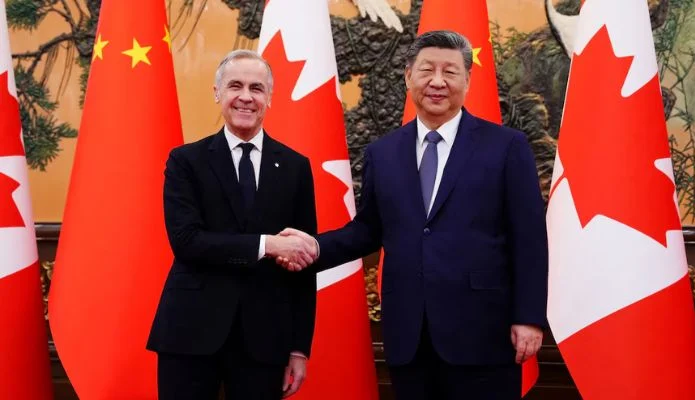
Tensions are rising in North America’s auto industry after U.S. officials sharply criticized Canada for allowing low-cost Chinese electric vehicles into its market. According to several U.S. lawmakers and trade voices, Canada has been “absolutely rolled” by Chinese EV makers, creating new challenges for American and domestic automakers.
Why the Deal Triggered Backlash
Canada’s openness to affordable Chinese EVs has drawn strong reactions from Washington. According to U.S. officials, Chinese automakers benefit from heavy state support, which allows them to sell EVs at prices Western brands struggle to match. As a result, critics argue that the playing field is no longer fair.
Concerns Over Jobs and Manufacturing
U.S. leaders worry that cheap Chinese EVs could undercut North American production. Therefore, they fear job losses across U.S. and Canadian auto plants. Domestic automakers have invested billions in EV factories, battery plants, and supply chains. Increased competition from subsidized imports could threaten those investments.
Canada’s Different Strategy
Canada, however, appears focused on affordability and faster EV adoption. Moreover, lower-priced electric cars could help consumers transition away from gas vehicles more quickly. Canadian officials see value in expanding EV access, even if the vehicles come from overseas manufacturers.
Trade Policy Complications
The disagreement highlights growing friction over trade policy. Consequently, questions are emerging about tariffs, regulations, and future cross-border coordination. While the U.S. has moved aggressively to block Chinese EV imports, Canada has taken a more flexible approach—at least for now.
Impact on the EV Market
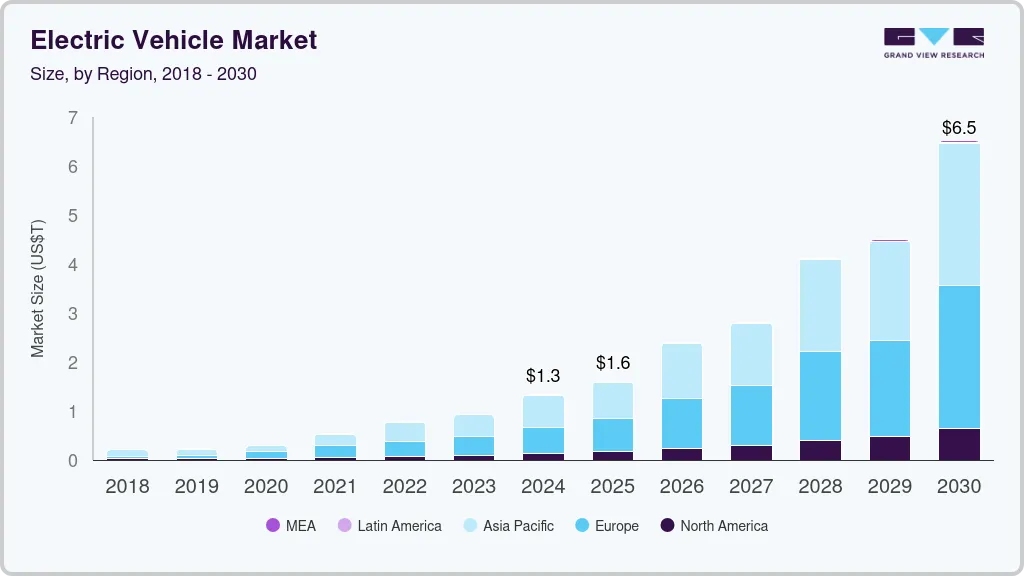
This divide could reshape the North American EV landscape. Furthermore, automakers may need to rethink pricing strategies if consumers gain access to significantly cheaper alternatives. Increased competition could benefit buyers, but it may also pressure local manufacturers.
What Comes Next
U.S. officials continue to push for a united stance against Chinese EV imports. Meanwhile, Canada faces the challenge of balancing affordability, trade relationships, and domestic industry protection. How this dispute unfolds may influence EV pricing, availability, and manufacturing across North America.
Why This Matters
The EV transition is no longer just about technology. Ultimately, it has become a geopolitical and economic issue. As Chinese EV makers expand globally, North American governments must decide whether to prioritize protection or competition—and that decision will shape the future of electric mobility.












Post Comment