Thailand’s EV Ambition and Diesel Control

Thailand, historically the automotive manufacturing hub of Southeast Asia, is aggressively steering its economy toward a green future. This pivot combines immediate air quality measures with ambitious, long-term investments in electric vehicle (EV) production and pioneering national climate legislation.
Cracking Down on Pollution
In a direct response to urban smog, Bangkok authorities have tightened exhaust-smoke limits for diesel vehicles, lowering the permissible opacity from 30% to a strict 20% effective November 1. This regulation specifically targets older, more polluting pre-Euro 5 diesel engines. Offenders face fines up to THB 4,000, and vehicles that fail re-inspection receive a severe 30-day ban from use. These restrictions are essential for cleaning the air and creating urgency for a transition to cleaner mobility.
Fueling the EV Manufacturing Hub
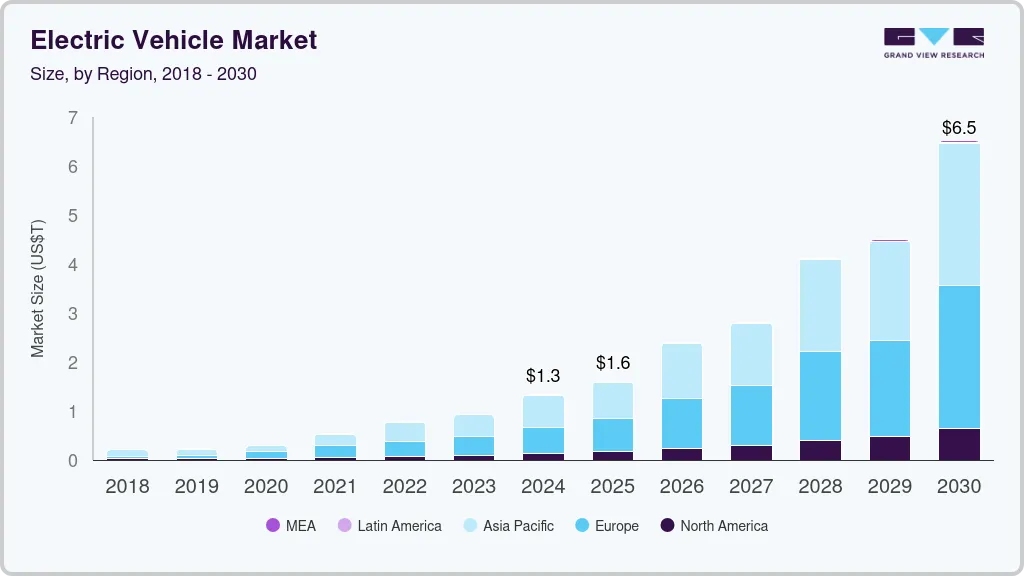
Thailand is already the largest EV market in the region, seeing registrations of 66,000 units in the first seven months of 2025 alone. The government’s ’30@30′ policy is the engine of this growth, aiming for 30% of all vehicle production—over 700,000 zero-emission units annually—by 2030.
To cement its status as a regional EV hub, the government offers comprehensive support through schemes like EV3.5, which extends tax reductions, duty exemptions, and subsidies through 2027. Crucially, the incentives mandate that automakers importing Battery Electric Vehicles (BEVs) must commit to local assembly by 2024 or 2025. Furthermore, an innovative export incentive allows one exported EV to count as 1.5 units toward local production quotas, designed to boost exports from an estimated 12,500 units in 2025 to about 52,000 in 2026.

The Rise of the Thai EV Brand
A significant milestone is the impending launch of Thailand’s first national EV brand in late 2025. This project is a strategic partnership between the Thai government and Chinese automaker Chery Automobile, leveraging Chery’s technology and manufacturing expertise. Chery is building a facility in Rayong Province with an initial capacity of 50,000 EVs annually by 2025, with plans to expand. This collaboration aims to debut three key electric models: a commercial MPV, an electric pickup, and a family SUV, demonstrating a commitment to localizing EV technology across diverse market segments.
The Climate Change Framework
Underpinning these initiatives is the final drafting of Thailand’s first Climate Change Act. This landmark legislation will establish a legal framework for greenhouse gas (GHG) reduction, including market mechanisms like carbon trading and a potential carbon tax. The act reinforces the nation’s long-term commitments to achieving carbon neutrality by 2050 and net-zero emissions by 2065, solidifying its role as a leader in sustainable development for ASEAN.












Post Comment