Once a major tyre maker, Gorakhkali Rubber Industry studied for revival – The Himalayan Times – Nepal’s No.1 English Daily Newspaper
Key Takeaways:
- Factory shut since 2015, once a major tyre producer with South Asian exports
- Govt-backed team led by MP Kavindra Burlakoti inspected site Aug 16
- Industry had 88,000-tyre annual capacity, producing for trucks, jeeps, cars
- Legal and financial feasibility study underway to prepare revival proposal
KATHMANDU, AUGUST 17
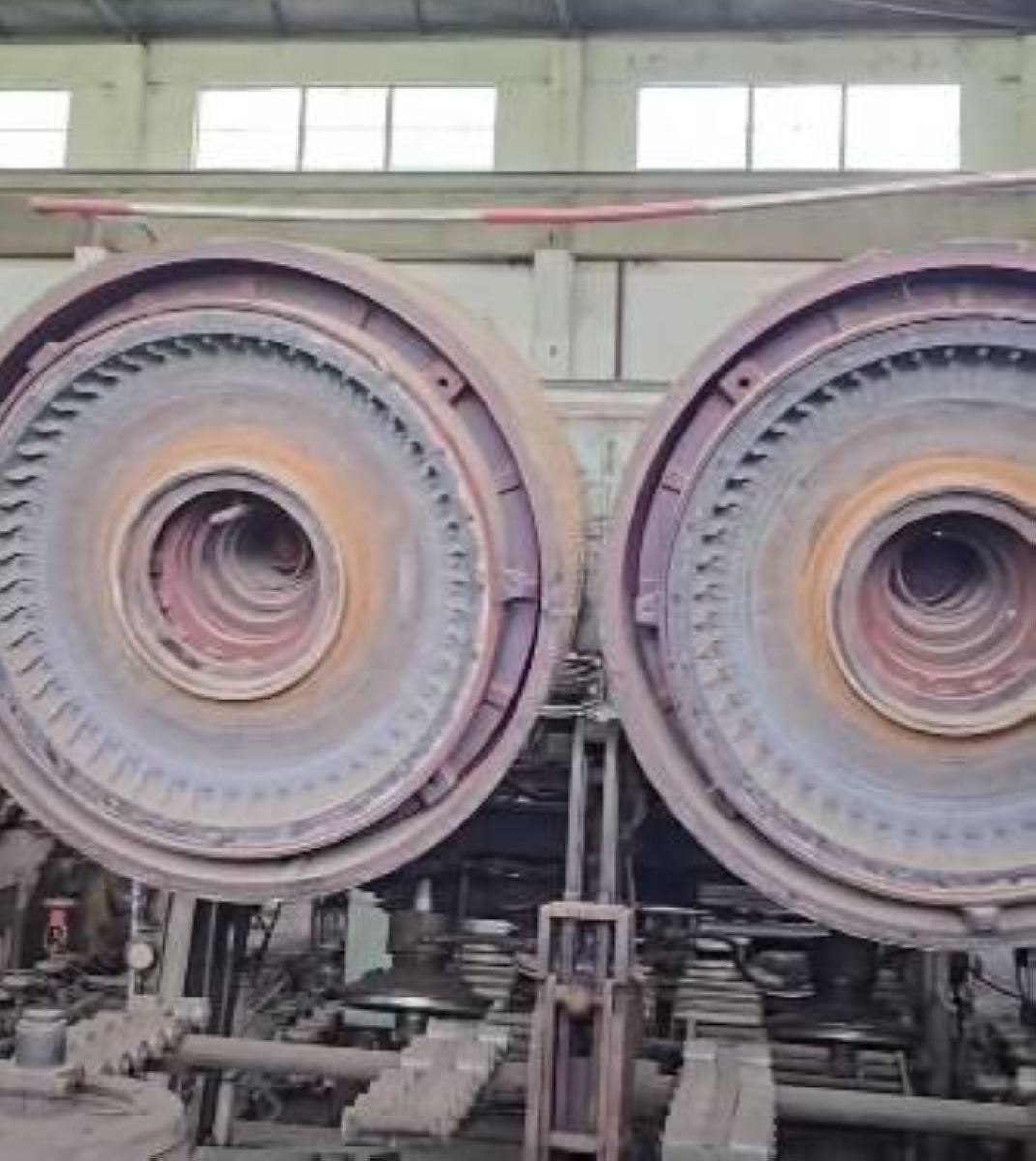
A government-backed team has begun exploring ways to revive the Gorakhkali Rubber Industry, a once-major tyre manufacturer that has remained shut since 2015.
A team led by Gorkha-2 lawmaker Kabindra Burlakoti, along with experts and representatives from the ministries of finance, industry and law, inspected the factory in Mabhuwal, Gorkha Municipality-13, on Sunday to assess the possibility of bringing it back into operation.
Burlakoti said the visit was aimed at examining the legal and financial feasibility of restarting the state-owned industrial facility. He said an economic proposal for its revival would also be prepared soon.
The factory, established with Chinese government assistance on May 30, 1984, began commercial production in 1993. It once met a significant share of domestic demand for tyres and tubes and exported its products to India, Bangladesh, Sri Lanka and other South Asian countries.
The industry had developed an annual production capacity of around 88,000 tyres, producing different types of tyres for trucks, jeeps, vans and cars. Its products were distributed through depots in major cities across Nepal.
Spread over around 670 ropanis, the factory had received investment from the government, individuals and various organisations. However, it was completely shut down on March 23, 2015, and its machinery and physical infrastructure have remained largely unused since then.
The latest study comes amid efforts to determine whether the long-idle industrial assets can be brought back into productive use. The team is expected to hold further discussions after assessing the legal and economic possibilities of reopening the factory.





Post Comment