Gas Ban vs Chinese Competition

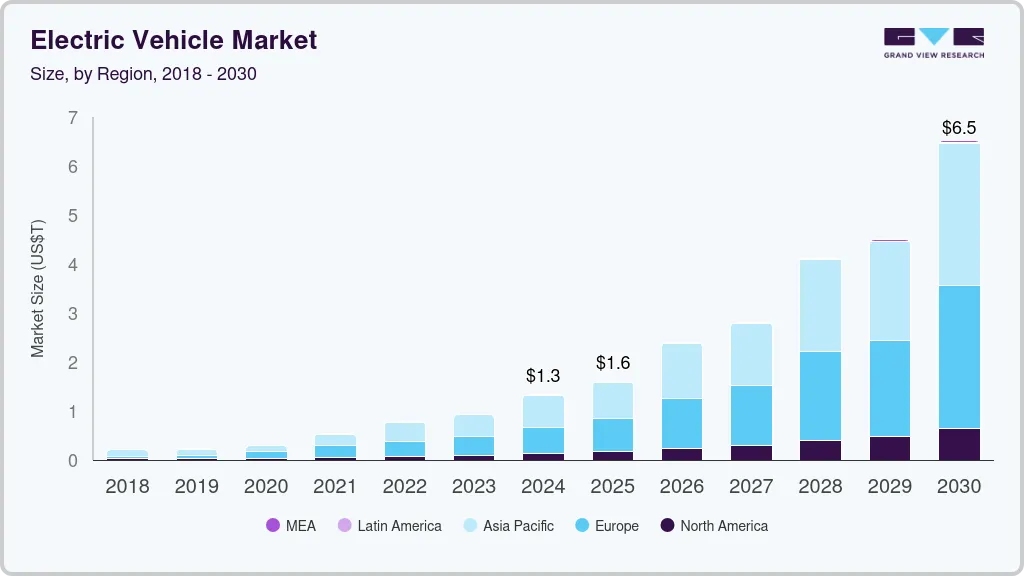
Europe’s auto industry is entering a difficult new phase. On one side, strict deadlines are pushing countries toward phasing out gasoline and diesel vehicles. On the other side, fast-growing Chinese automakers are rapidly expanding their electric car sales across Europe. As a result, Europe now finds itself squeezed between policy pressure and aggressive foreign competition.
Climate Goals Are Speeding Up The Transition
European governments remain committed to cutting emissions. Several nations plan to stop selling new gas cars by 2035. Because of this, automakers must shift to battery-powered vehicles much faster than expected. However, the rapid timeline puts enormous strain on European brands that are still developing affordable EV platforms.
Chinese Brands Gain Ground Quickly
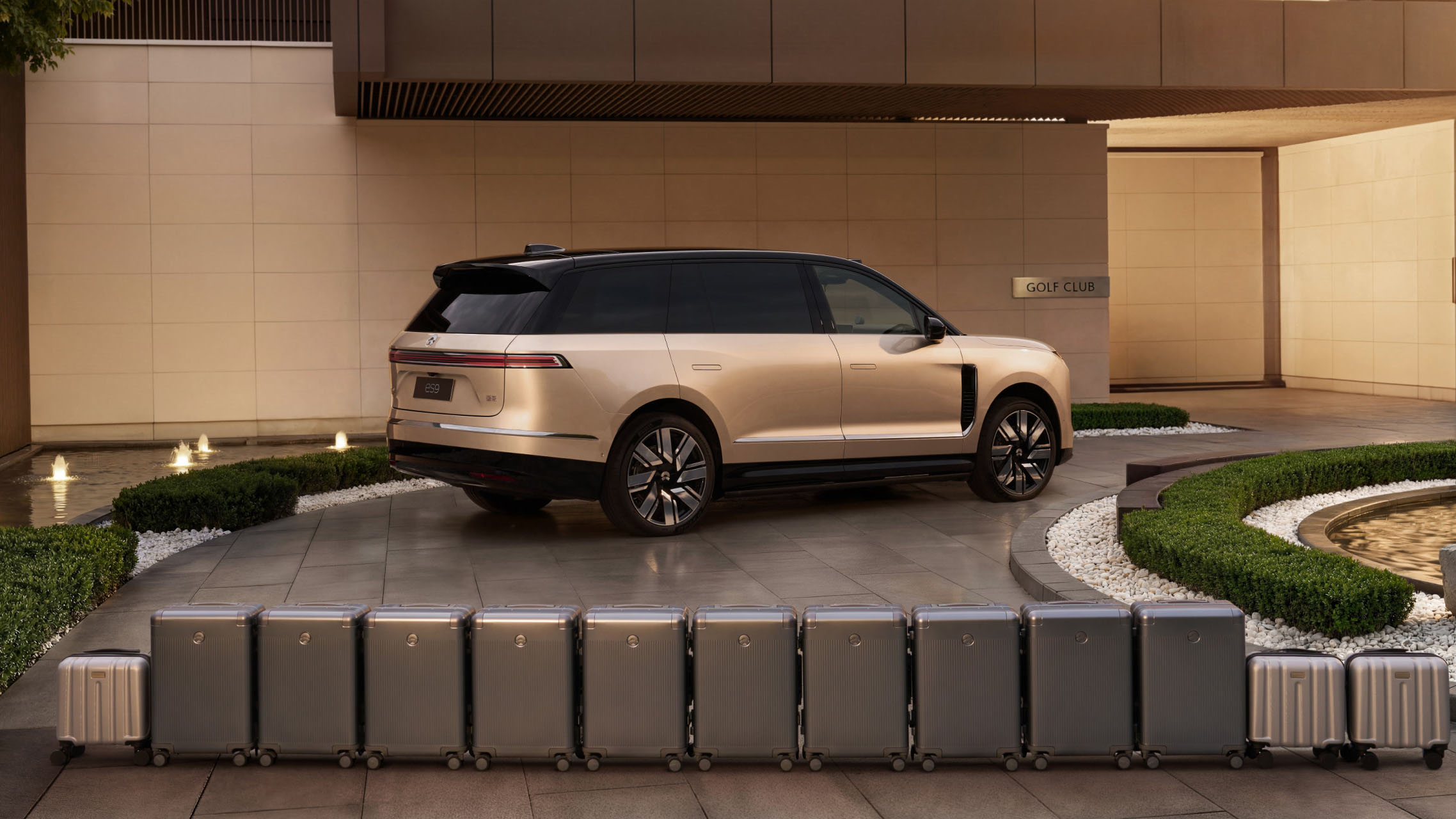
Meanwhile, companies like BYD, MG, and NIO continue to dominate the lower-cost EV segment. Their cars are cheaper, highly efficient, and packed with features. As European buyers search for affordable electric options, many are now choosing Chinese EVs. This trend is creating growing concern within Europe’s automotive sector.
European Automakers Struggle With Pricing
Even though European brands want to compete, their production costs are higher. Local factories, strict labor rules, and expensive raw materials make it difficult to build low-cost EVs. As a result, Europe risks losing market share in its own territory. The pricing gap between Chinese EVs and European EVs keeps widening, making the challenge even harder.
Governments Consider Tariffs And Delays
Some leaders have suggested delaying the gas-car ban to give local companies more time. Others want tariffs on imported EVs to protect domestic manufacturers. However, both choices come with consequences. Delays could slow climate progress, while tariffs might raise EV prices for consumers.
Car Buyers Are Caught In The Middle
Customers want affordable electric cars, but they also want reliability, good service, and easy charging. Right now, Chinese brands offer strong value, while European brands struggle to match them on price. This leaves buyers choosing between budget-friendly imports or more expensive local products.
Europe Must Decide Its Next Move
The continent stands at a crossroads. It can stay firm on its emissions targets or soften the transition to protect its industry. Either way, the decisions made in the next few years will shape Europe’s entire automotive future. The region must balance climate goals, economic competitiveness, and consumer choice—before China captures even more of the EV market.











Post Comment