China border shutdown puts festive supplies at risk – The Himalayan Times – Nepal’s No.1 English Daily Newspaper
KATHMANDU, OCTOBER 7
Nepal’s festive season supply chain is coming under mounting threat after the country’s three primary overland trade routes with China were unilaterally shut, raising the prospects of shortages, price spikes, and substantial customs revenue losses ahead of Dashain and Tihar.
While the government has intensified efforts to persuade China to reopen the Tatopani border crossing, the Chinese side has so far shown little urgency in resuming cross-border trade.
This impasse leaves Nepal without a high-capacity overland gateway to China at a time when traders traditionally stock up for the nation’s largest shopping season.
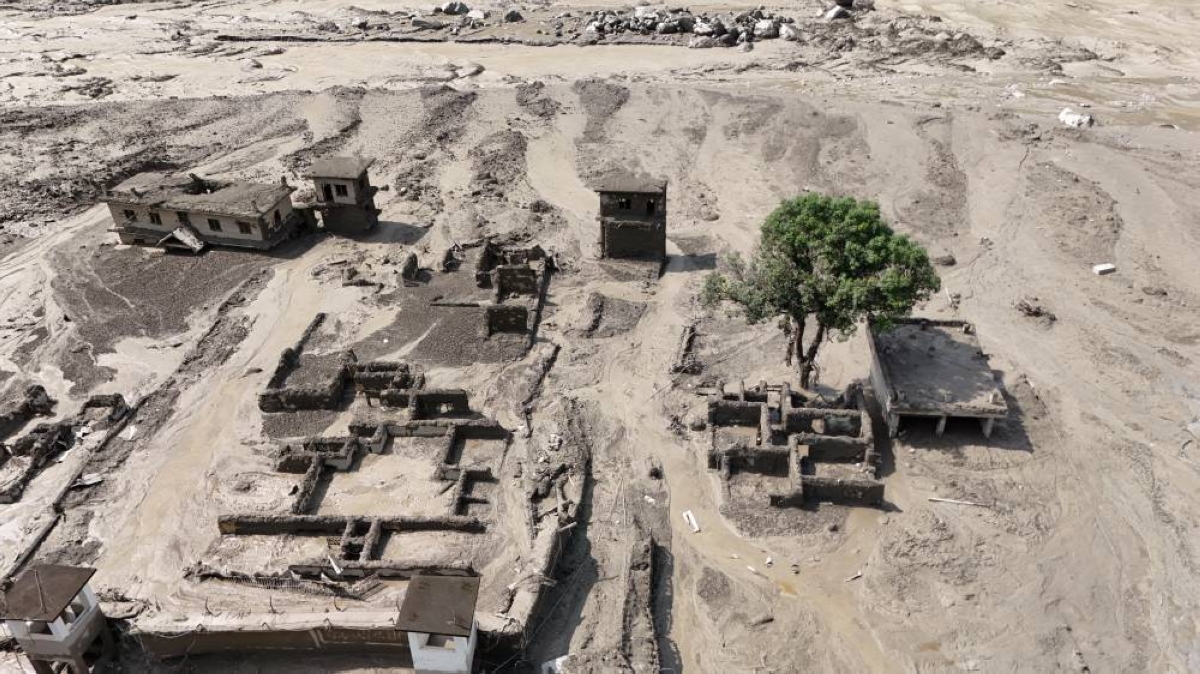
Rasuwagadhi, which historically handled a major share of Nepal-China trade, was effectively devastated by the catastrophic flooding, along the Bhotekoshi corridor.
Meanwhile, Tatopani was closed after the Chinese authorities cited landslide risks, along the Liping section of the border.
The shutdowns have halted shipments of key consumer goods normally imported from China for the festive season, including readymade garments, footwear, electric vehicles, smartphones, laptops, industrial machinery, apples and walnuts.
Federation of Nepalese Chambers of Commerce and Industry (FNCCI) President Anjan Shrestha stated that traders, who redirected their cargo towards Korala following the closure of Tatopani and Rasuwagadhi are now facing disruptions at that point as well.
“After the closure of Tatopani and Rasuwagadhi border points, traders moved to the Korala border to route their shipments from China, but that crossing has now been closed too,” Shrestha told THT.
He added that approximately 400 containers carrying the imported goods were swept away in the August 26 Bhotekoshi flood.
Scale of disruption
The financial impact of these closures is substantial.
Tatopani and Rasuwagadhi together accounted for over Rs 93 billion in imports the last fiscal year, with the Tatopani Customs targeting a revenue collection of
Despite these setbacks, government officials express optimism over broader revenue milestones.
Director General of the Department of Customs Yam Lal Bhusal noted that the government set a target of collecting Rs 150 billion from the border customs by mid-October, having already brought in Rs 136 billion.
He remains confident that the remaining Rs 14 billion can be realised in time.
Festive market vulnerability
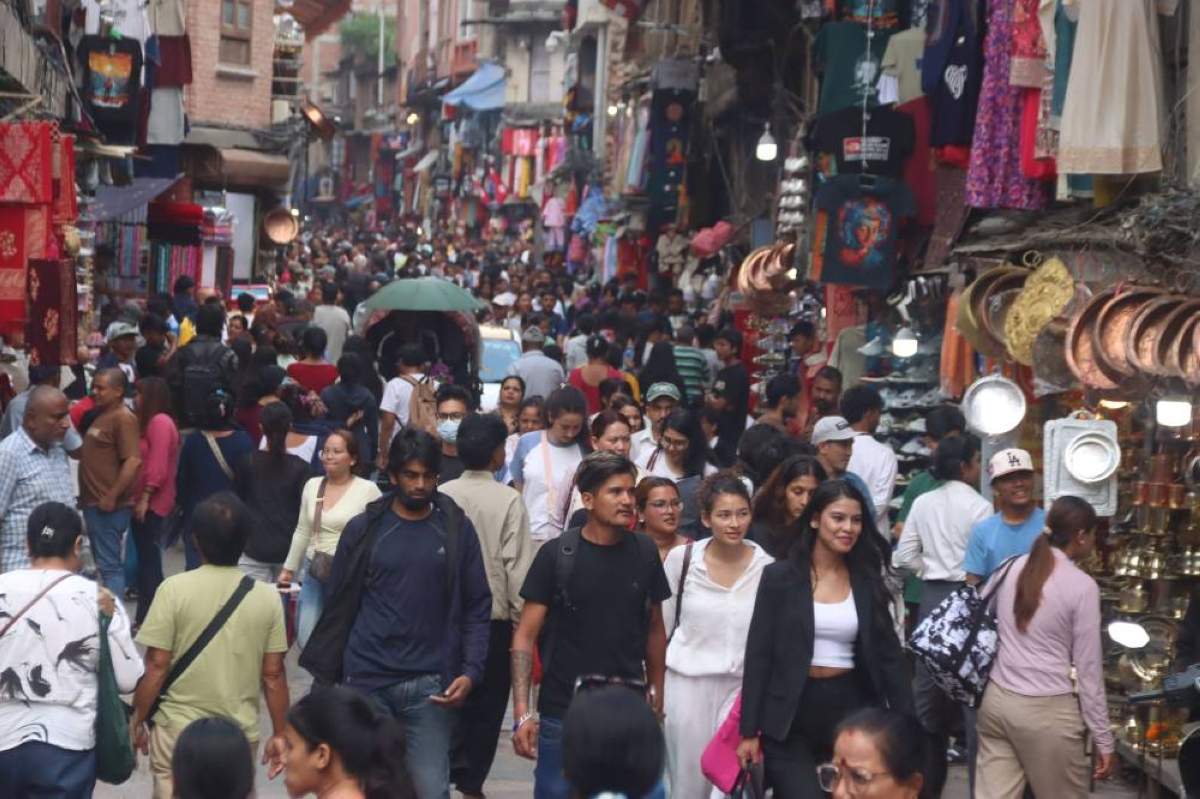
The immediate concern revolves around the market availability and consumer prices.
Dashain and Tihar drive an estimated 40 to 70 per cent of annual retail sales, powered significantly by festive remittances.
The protracted northern border disruptions are expected to directly trigger supply shortfalls and price hikes if alternative trade routes cannot accommodate the diverted freight.
Traders caution that the recent history offers a clear warning.
When the Rasuwagadhi route faced severe disruptions last year, clothing and footwear prices jumped by 15 to 30 per cent, freight tariffs rose by 20 to 40 per cent and essential food items surged by 10 to 50 per cent.
While Korala provides an alternative passage via the Kaligandaki corridor – bypassing the landslide-prone highways leading to Tatopani and Rasuwagadhi – it lacks the infrastructure to manage high-volume freight. Situated roughly 460 kilometres from Kathmandu at an altitude of 4,650 metres, the high-altitude crossing cannot currently absorb large commercial diversions.
Reopening efforts and diplomatic push
In response to the crisis, the business community met with the officials at the Chinese Embassy in Kathmandu to press for Tatopani’s reopening.
A joint Nepali-Chinese delegation subsequently conducted a field inspection of the border zone.
Sindhupalchok Chief District Officer Shashidhar Ghimire confirmed that the key road links on the Nepali side have been substantially repaired following initial closures. However, China has kept its side closed, citing administrative requirements, including the ongoing relocation of its customs facility from Zhangmu to Nyalam.
Ghimire warned that the prolonged closures ahead of Dashain will inflict a severe financial damage on both businesses and consumers, noting that Tatopani generates Rs 24 to 25 billion in annual revenue for the state.
CPN-UML lawmaker Laxmi Prasad Pokharel urged the government to elevate diplomatic engagement with Beijing. With Rasuwagadhi and Korala compromised, Pokharel emphasised that Tatopani remains the most viable lifeline for securing affordable Chinese imports. “Consumers expect reasonably priced goods through the northern border points,” Pokharel told THT. “If diplomatic efforts fail to reopen Tatopani promptly, festival shoppers will face significantly higher retail prices.”
Meanwhile, Infrastructure Development Minister Sunil Lamsal stated on Tuesday that regular communications with the Chinese counterparts are ongoing.
Speaking to the Parliamentary Special Committee on Climate Justice and the Bhotekoshi-Trishuli Disaster, Lamsal affirmed that Nepal is fully prepared to resume border operations without further delay.
“We are ready to operate from our side immediately,” Lamsal said. “We are in continuous dialogue with the Chinese side and simultaneously working to rehabilitate the flood-damaged Rasuwagadhi route.”













Post Comment