Muslim women issues neglected in CEDAW report – The Himalayan Times – Nepal’s No.1 English Daily Newspaper

KATHMANDU, DECEMBER 5
During national consultation on the draft report to the 90th session of the Convention on the Elimination of All Forms of Discrimination Against Women (CEDAW) Committee here today, it was mentioned that Muslim women’s issues were excluded from the situation of Muslim women in CEDAW.
As Nepal prepares for the upcoming CEDAW 90th session beginning next year from 3 February 2025 to 21 in Geneva, where eight countries will be reviewed, including Nepal.
Nepal is supposed to send a List of Issues (LOIs) within January encompassing Muslim women issues.
Previous LOIs submitted to the committee in 2024 on inclusion of Muslim women and girls in CEDAW reporting had not incorporated anything relating to them.
Tanuja Basnet, “The issues of Muslim women and girls included in the draft report based on the issues identified from the provincial consultation.”
The human rights issues of Nepali Muslim women and girls covered in the last concluding observation said the government’s seventh periodic report submission said that not a single specific progress on Muslims women and girls was reported.
However, Civil Society Organisations (CSOs) submission for LOIs included a few issues, including legal aid, representation in all sectors, multiple forms of discrimination, and child marriage issues.
CEDAW’s 2018 report emphasised concerns including low enrolments in school and divorce and recommended working on them.
Meanwhile, Seraj Ahmad Farooqui, a lawmaker from CPN-UML speaking at the program shared, “Becoming a proud citizen is the first priority of every citizen.”
He further said, “There is an error in data collection regarding issues in Muslim society. Divorce in Muslim culture is regarded as a disgraceful act. As a result, we need to bring the correct data for meaningful representation.”
Presenting the existing laws and policies in Nepal to protect the rights of Muslim women and girls and the key areas for reformation, advocate Sharmila Shrestha said, “Muslim women are extremely marginalised and deprived of their basic rights. Maternal death rates and child death rates data are fake; it should be recorded based on community because it is dramatically high in Muslim and Dalit.”
She further said, “Unsafe abortion is also maximum among Muslim women using medically unrecognised substances. Moreover, they even have ideas about prenatal and postnatal services and check-ups.”
She said Nepal’s legal system ought to recognise the Madrasa education system, as there are several people who completed their education from Madarsa but are not eligible to compete in government sectors.
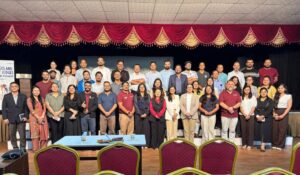
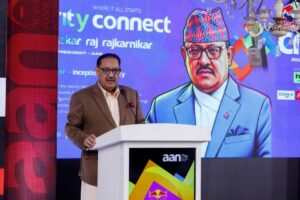
Bharati Silwal Giri delivered her remarks at the opening session of the National Consultation on the Draft Shadow Report prepared by the Nepal Muslim Women Welfare Society to be submitted to the CEDAW Committee.
“Religious minority is not a dignified word; it needs to be challenged,” she said.
“Religious minority terms should be challenged because it sounds more of discrimination than representation,” she said.
“Right to representation and political participation also need to be ensured. There should be quotas for Muslim women in the federal, provincial and local, including public service.”


Post Comment