Tesla Model 3 Range Drops in Extreme Cold
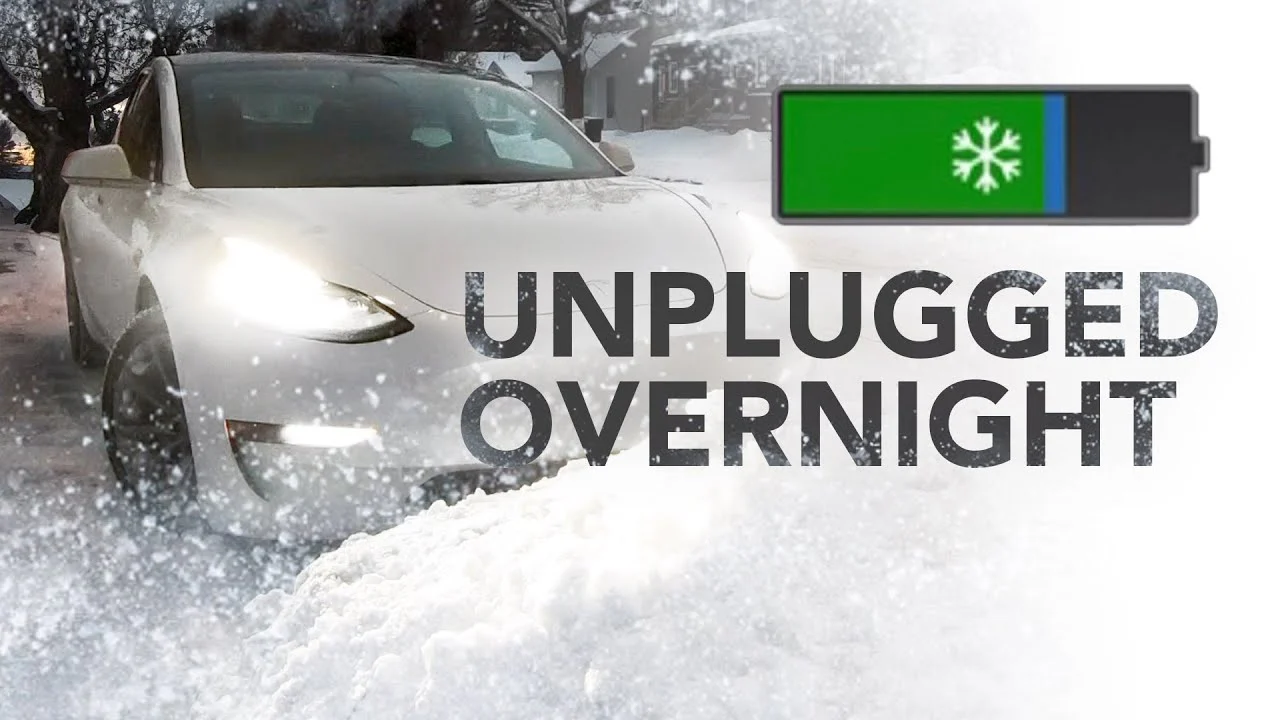
Extreme cold is every EV owner’s challenge. A Tesla Model 3 recently faced temperatures of -33°F overnight. The result? Significant drops in charging speed and driving efficiency, proving that even advanced EVs are affected by severe cold.
How Cold Weather Affects EVs
EV batteries are sensitive to temperature. In sub-zero conditions, chemical reactions inside the battery slow down.
As a result:
- Charging takes longer. Fast-charging speeds drop.
- Range decreases. The car uses more energy to maintain heat and performance.
- Efficiency suffers. Even steady driving consumes more power.
In this case, the Model 3 showed both a slower charge rate and a noticeable reduction in miles per kilowatt-hour.
Real-World Test of the Model 3
The test involved leaving the car outside overnight at -33°F, then attempting to charge and drive normally in the morning.
- Charging was significantly slower than usual.
- Energy consumption increased dramatically during the first few miles.
- Cabin heating further reduced range, as the car diverted power to maintain comfort.
This real-world scenario highlights why cold climates are challenging for EV drivers.
Tesla’s Built-In Protections
Tesla has several systems to mitigate cold weather impacts:
- Battery preconditioning: Warms the battery before charging or driving.
- Cabin preheating: Uses energy efficiently to keep passengers warm.
However, extreme conditions like -33°F still push these systems to their limits. Drivers may experience reduced performance until the battery reaches a more optimal temperature.
Tips for EV Owners in Extreme Cold
- Charge indoors if possible. Garage parking helps maintain battery temperature.
- Precondition the battery before starting a trip.
- Limit high-speed driving initially, as rapid acceleration consumes more power.
- Plan for longer trips, since real-world range may drop 20–40% in extreme cold.
Even Tesla warns that cold weather can temporarily affect range and charging efficiency.
The Bottom Line
Extreme cold can impact any EV, including the Tesla Model 3. While Tesla’s tech mitigates some losses, temperatures as low as -33°F still take a toll.
For drivers in harsh climates, understanding these effects is essential for planning trips, charging stops, and daily commuting.














Post Comment