Trump Signals Openness to Chinese EVs
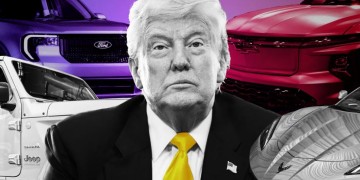
Former U.S. President Donald Trump has made a surprising statement about Chinese electric vehicles. During a recent appearance, Trump said he is ready for Chinese EV brands to enter the U.S. market, declaring, “Let China come in.” The remark stands out, especially given his past focus on tariffs and trade protection.
A Shift in Tone on Chinese EVs
For years, Chinese automakers faced political resistance in the United States. However, Trump’s comment suggests a more open stance. According to Trump, competition could benefit American consumers by lowering prices and increasing choices. As EV affordability becomes a growing concern, his words reflect changing market realities.
Why Chinese EVs Matter Now
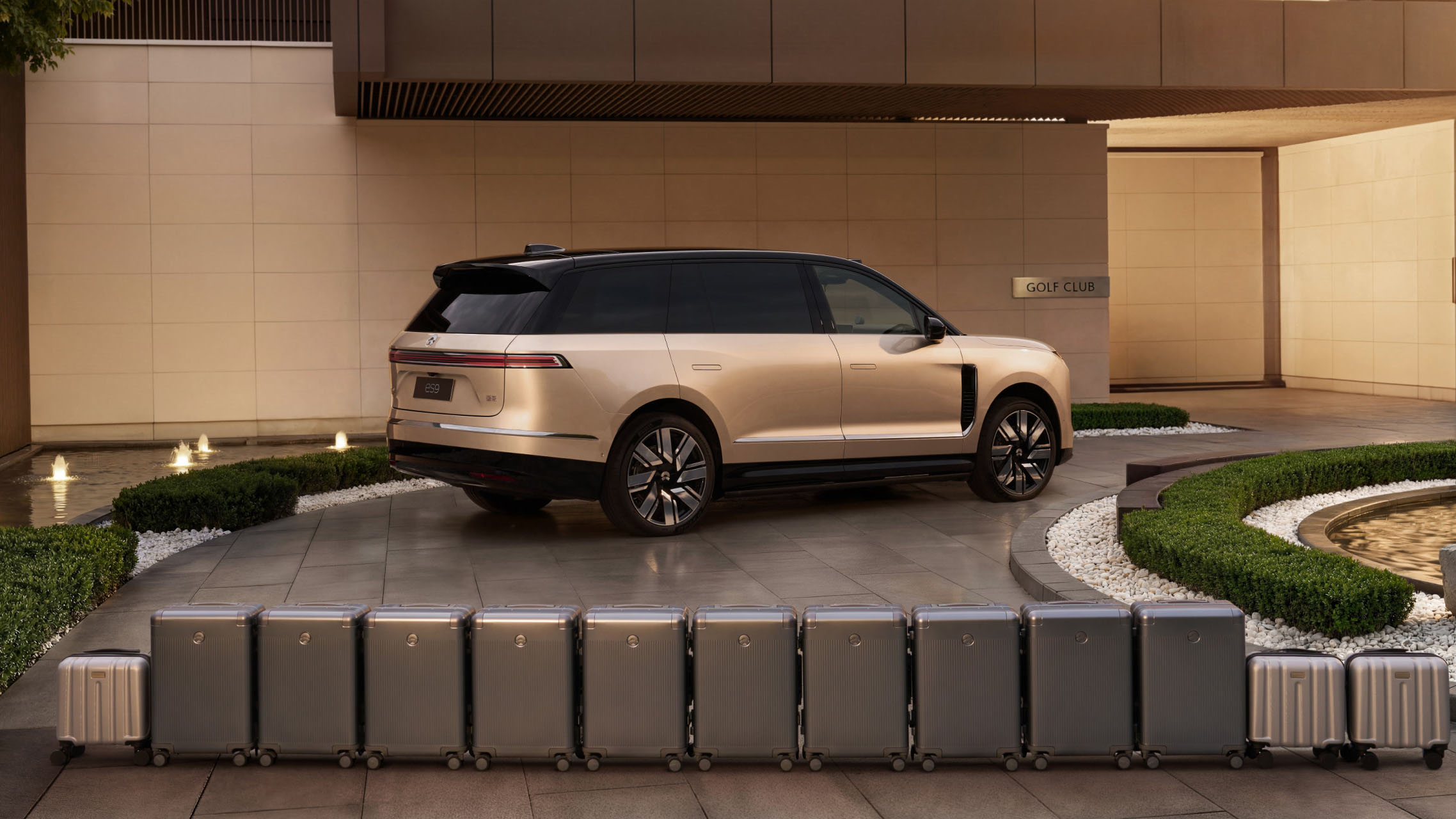
Chinese EV makers like BYD, Nio, and Zeekr have rapidly improved quality, range, and technology. As a result, they now compete directly with U.S. and European brands. Moreover, Chinese companies often produce EVs at lower costs, which could pressure American automakers to cut prices and innovate faster.
Impact on U.S. Automakers
Trump argued that U.S. carmakers should compete rather than fear foreign brands. Therefore, allowing Chinese EVs into the market could force domestic companies to improve efficiency and reduce production costs. Still, critics warn that intense competition could hurt American jobs and manufacturing in the short term.
Politics Meets EV Reality
While Trump’s comment gained attention, U.S. policy still includes tariffs and regulatory barriers. Consequently, Chinese EVs cannot enter the market easily. Even so, Trump’s words suggest that political resistance may soften as EV adoption grows and consumer demand for affordable models increases.
What This Means for EV Buyers
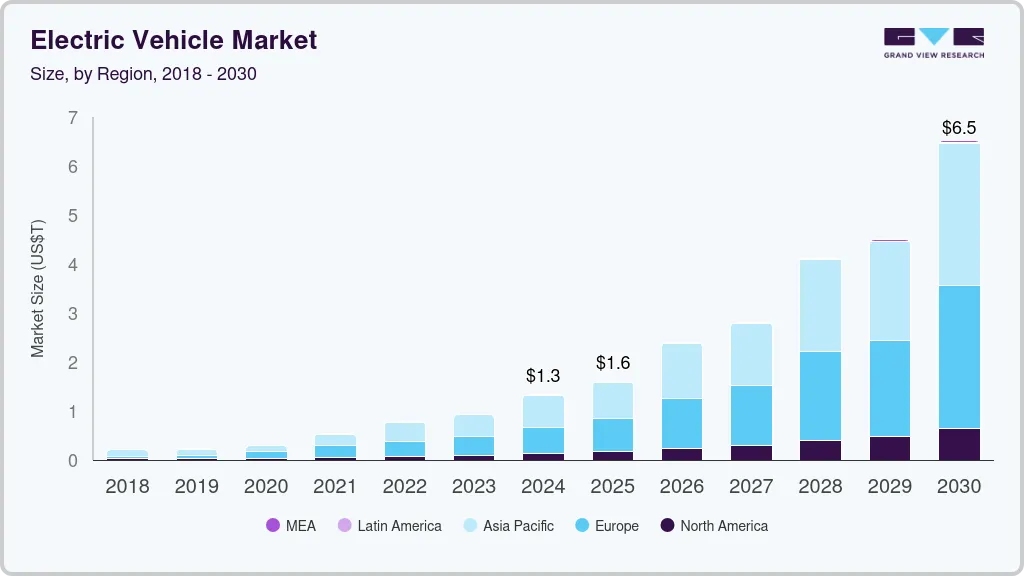
For American consumers, Chinese EV entry could mean lower prices, better features, and more options. Additionally, increased competition may accelerate innovation across the industry. Buyers who currently find EVs too expensive could benefit the most if lower-cost models arrive.
Looking Ahead
Trump’s statement highlights a growing tension between economic nationalism and market competition. Ultimately, the future of Chinese EVs in the U.S. will depend on trade policy, regulations, and public demand. However, one thing is clear: the global EV race is intensifying, and the U.S. may not stay closed forever.










Post Comment