Tesla Drops Autosteer on Model 3 & Model Y
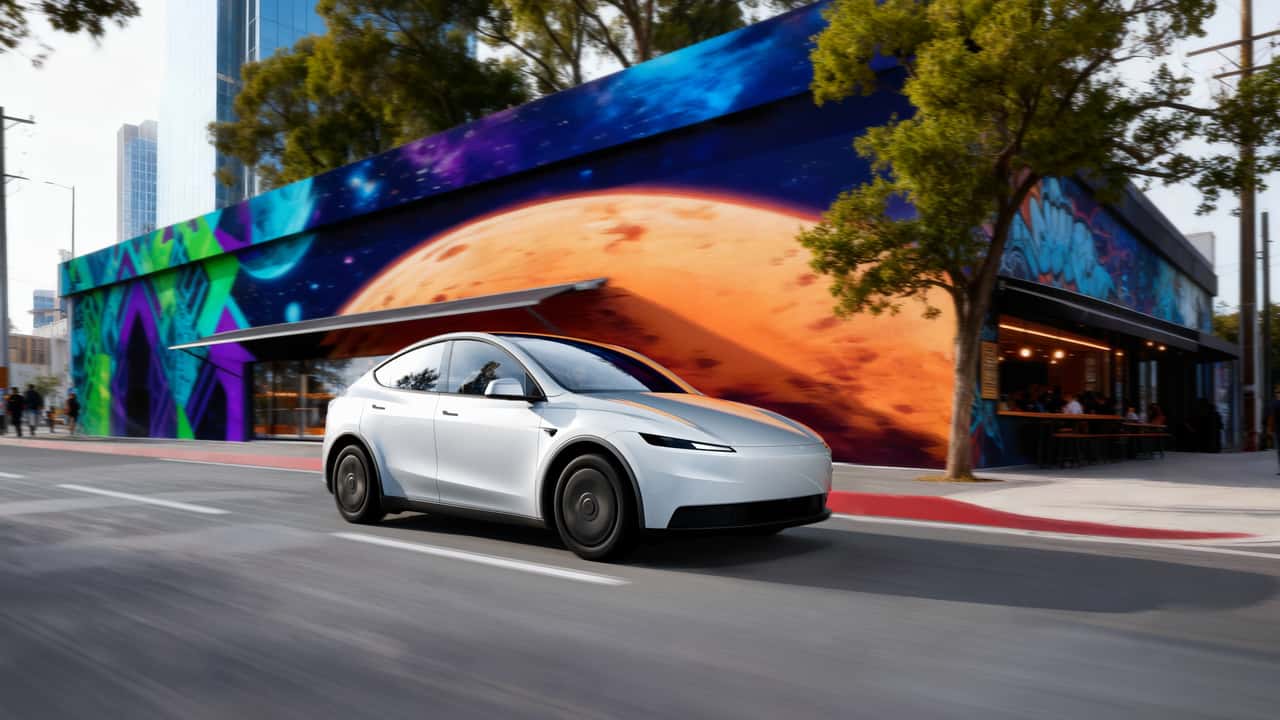
Tesla has quietly made a significant change to its driver-assistance lineup. The company has removed Autosteer from all Model 3 and Model Y trims, marking a major shift in how Tesla packages its most recognizable Autopilot feature.
What Exactly Changed
Previously, Autosteer came standard with Tesla’s basic Autopilot suite. It allowed the car to steer automatically within a clearly marked lane while adaptive cruise control handled speed. Now, however, new buyers of the Model 3 and Model Y no longer receive Autosteer by default.
Instead, Tesla includes only Traffic-Aware Cruise Control as the standard driver-assistance feature. As a result, steering assistance is now locked behind paid software packages.
Autosteer Moves to Paid Packages
To regain Autosteer, buyers must upgrade to Enhanced Autopilot or Full Self-Driving (Supervised). These packages cost thousands of dollars, depending on the market. Therefore, what once felt like a baseline safety and convenience feature has become a premium add-on.
Why Tesla Made This Decision
Tesla has not issued a formal explanation. However, several factors likely played a role. Regulatory scrutiny around advanced driver-assistance systems has increased worldwide. At the same time, Tesla continues to push higher-margin software revenue.
Moreover, separating Autosteer from the base package reduces confusion around what Tesla’s cars can and cannot do autonomously. This could help the company manage driver expectations more clearly.
How This Affects Buyers
For new buyers, the change is noticeable. Many competitors now offer lane-centering systems as standard, especially in similar price ranges. Consequently, Tesla’s base trims may feel less competitive on paper, even if the hardware remains capable.
Existing owners, however, are not affected. Importantly, vehicles that already include Autosteer will retain the feature.
Industry-Wide Implications
This move highlights a broader trend in the auto industry. Automakers increasingly treat software features as optional upgrades rather than standard equipment. In the long run, buyers may need to evaluate cars not just by hardware, but by what software is unlocked.
What Comes Next
Tesla could adjust its strategy again, as it has done many times before. Ultimately, the decision underscores Tesla’s belief that advanced driver assistance is a premium experience—not a default one.










Post Comment