After losing part of his heel, a Dharan photojournalist refused to put down his camera – The Himalayan Times – Nepal’s No.1 English Daily Newspaper
Key Takeaways:
- Photojournalist Pratit Rai continues working despite severe bone infection
- He bought professional camera equipment using earnings from manual labour
- Osteomyelitis destroyed part of his right heel and limited his mobility
- Rai remains committed to showcasing eastern Nepal through photography
DHARAN, OCTOBER 26
A serious bone infection has made walking and standing difficult for Dharan-based photojournalist Pratit Chamling Rai, but it has not stopped him from pursuing his ambition of bringing the beauty and cultural richness of eastern Nepal to a wider audience.
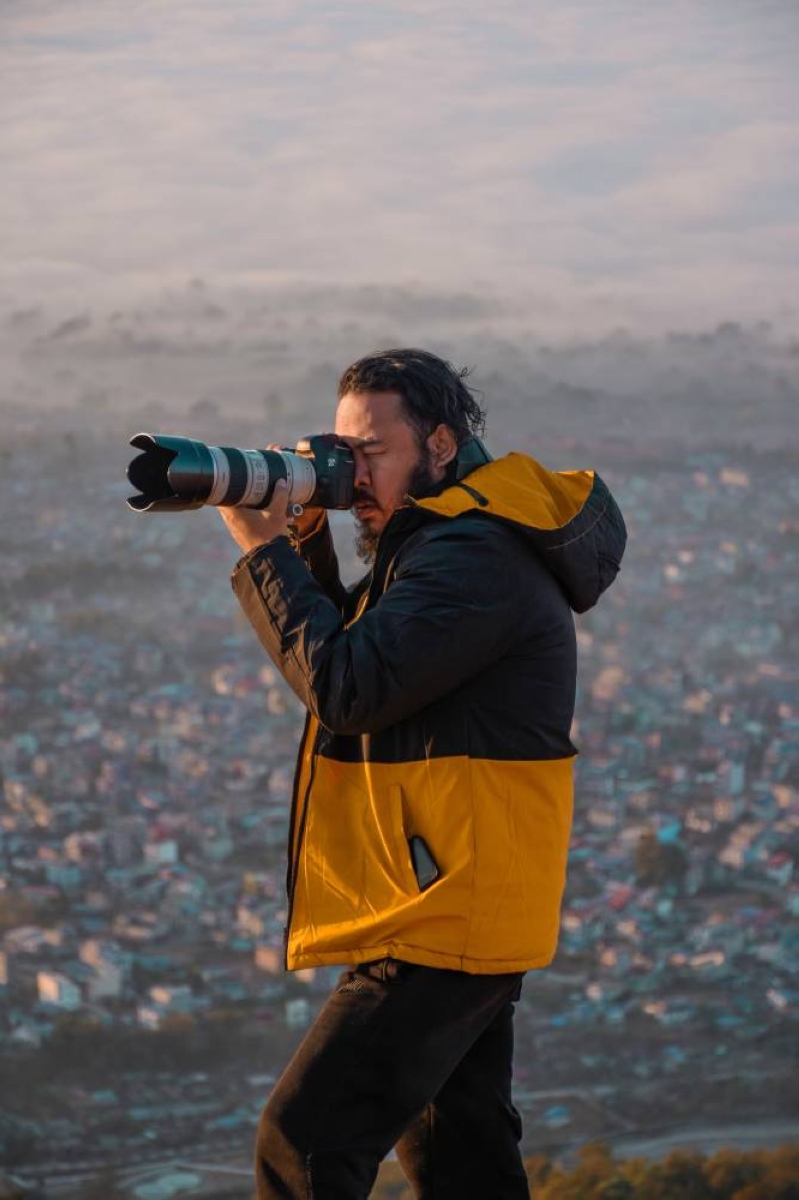
The 40-year-old, who lives in Dharan-17’s Railway Namaste Chowk, has continued working despite losing the heel bone in his right foot to an infection diagnosed as osteomyelitis. He remains committed to photojournalism, documenting the people, culture, sporting activities and natural landscapes of Dharan and surrounding areas.
Rai’s journey into photography began with money earned through manual labour. After passing his School Leaving Certificate examination in 2001, he lost his father and took on the responsibility of supporting his family. His father had worked in the transport sector, and Rai began working as a booking assistant at Purweli Joint Transport Pvt Ltd to help make ends meet.
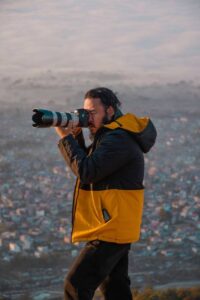
Even while working long hours, he nurtured an interest in photography. He gradually saved enough to buy a camera and lenses, investing around Rs 675,000 in equipment that now includes a Sony A7 III and Canon and Nikon cameras, along with professional lenses.

Photo: Pratit Chamling Rai
“I bought my camera with money I earned through labour,” he says.
For Rai, the equipment represents more than a professional investment. It embodies years of hard work and his determination to establish an identity through photography.
He has been active in professional photojournalism since 2018 and is a member of the Photojournalists Federation of Nepal’s Sunsari chapter. He also contributes through social media platforms, including Routine of Dharan, Mission Dharan and Troll Dharan.
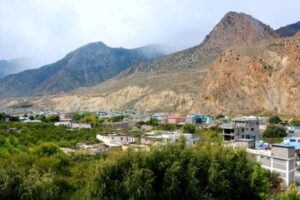
His photographs capture social activities, indigenous traditions, sports, religious practices, tourism destinations and natural scenery, helping introduce Dharan and eastern Nepal to wider audiences.
“I want to introduce the Dharan where I was born. I want everyone to see the beauty of eastern Nepal,” he says.

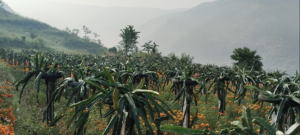
Photo: Pratit Chamling Rai
Rai had no formal photography training when he entered the field. Streets, markets, forests, hills, sports grounds and everyday social life became his classrooms. Through observation, practice and experience, he developed the skills to recognise significant moments and tell stories through images.
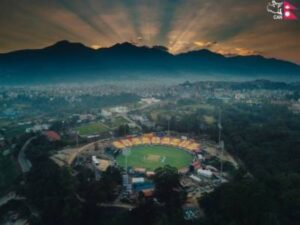
His health, however, took a serious turn about two years ago when a nail pierced his foot during a women’s football tournament at Dharan Stadium. He initially dismissed the injury as minor, but the wound failed to heal. The infection eventually reached the bone, requiring surgery.
Doctors diagnosed osteomyelitis, a bone infection that destroyed the heel bone in his right foot. His pre-existing diabetes further complicated his condition, while persistent pain, sleeplessness, swelling and weight loss made everyday life increasingly difficult.
“My body kept wasting away. My face turned dark, and my foot swelled. I became so thin that even people who knew me could not recognise me,” Rai recalls.
The infection has significantly restricted his mobility. Standing for long periods and walking long distances have become difficult, and even buying shoes presents a challenge. While a size 40 shoe fits his left foot, his right foot requires a size 44 or 45, forcing him to buy two pairs to accommodate the difference.
Yet Rai refuses to define himself solely by his illness.

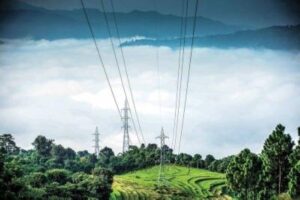
Photo: Pratit Chamling Rai
“I am sick, but I have not abandoned my profession or passion,” he says.
Although he can no longer work as comfortably as before, he continues to venture out with his camera whenever his condition allows.
His experience with illness has also deepened his appreciation of nature.
“To tell the truth, the illness made me a nature lover,” he says.
Unable to walk long distances, climb steep slopes or stand for hours, Rai travels by scooter to places he can reach and photographs forests, hills, sunrises and other natural landscapes. Each photograph offers him a way to remain connected to his work and the ambition that has sustained him through difficult years.
Friends Rain Limbu, Sasim Rai, Bibek Shrestha and Ganesh Upadhyay have encouraged him throughout his struggle. His wife and sister have also remained important sources of support.

Photo: Pratit Chamling Rai
Rai says he still has much he wants to accomplish and remains determined to continue working.
“I still want to do a lot of work. I will keep going. I will do something through which everyone can see and feel the effort I have put in,” he says.
His story is not only about living with a debilitating illness. It is also about a photographer who built his career through the money he earned from manual labour and who continues to document the place he calls home despite the physical limitations imposed by his condition.
The pain in his right foot has made the journey harder, but Rai’s camera remains a means of pursuing his ambition: to show the world the people, culture and natural beauty of Dharan and eastern Nepal.




Post Comment