BMW Electric M3 Engine Sounds Explaine
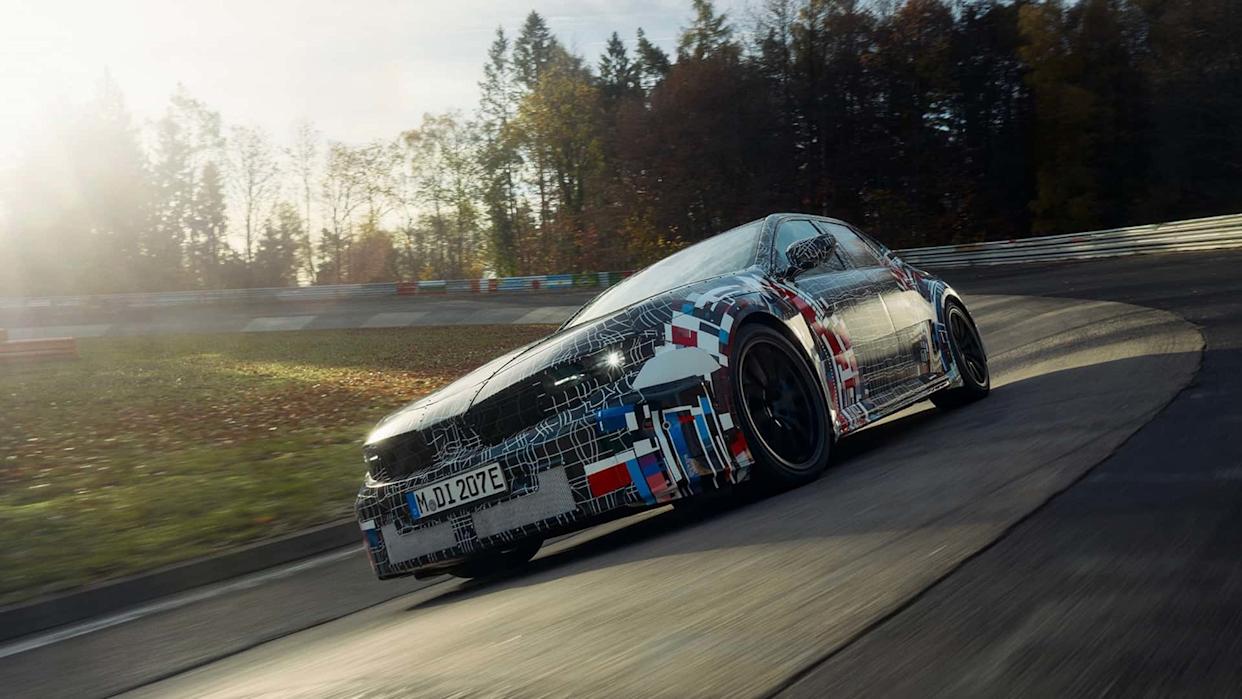
BMW’s upcoming electric M3 is shaping up to be one of the most talked-about performance EVs. While enthusiasts expect blistering acceleration and sharp handling, one detail has drawn special attention. BMW is giving the electric M3 simulated engine sounds, and the company has been very deliberate about how it created them.
Why BMW Chose to Add Engine Sounds
Electric cars are fast, but they are also quiet. For a performance badge like M, silence can feel disconnected. Therefore, BMW decided to recreate emotional feedback through sound. The goal is not to imitate a gas engine directly, but to restore driver engagement during hard acceleration and spirited driving.
BMW Turned to Synthetic Sound Design
Instead of recording traditional engines, BMW used digitally generated soundscapes. These sounds respond in real time to throttle input, speed, and driving mode. As a result, the electric M3 produces audio feedback that rises and falls naturally, even without pistons or exhaust pipes.
Hans Zimmer’s Influence Lives On
BMW previously partnered with composer Hans Zimmer for its EV sound design, and that influence continues. Moreover, the company blends musical tones with mechanical cues to create a futuristic yet aggressive sound. The result feels intentional, not gimmicky.
How the Sound Reaches the Driver
The simulated sound plays through the vehicle’s internal speaker system. Consequently, BMW can control clarity, intensity, and tone with extreme precision. Different driving modes adjust the experience, from subtle feedback in comfort settings to aggressive sound profiles in sport modes.
Not Just for Fun—There’s a Functional Side
BMW argues that sound also improves driver awareness. Additionally, audible feedback helps drivers judge speed and acceleration more intuitively. For performance driving, this sensory connection still matters, even in an electric car.
A Divisive Feature Among Enthusiasts
Reactions remain mixed. Some purists prefer total silence, while others welcome the added drama. However, BMW believes choice is key. Drivers can adjust or disable the sound entirely, allowing personal preference to decide the experience.
What This Means for Performance EVs
The electric M3 shows how performance brands adapt to electrification. Ultimately, simulated sound may become standard for high-performance EVs. BMW’s approach suggests the future of driving emotion will rely on software, not exhaust pipes.













Post Comment