Hyundai’s Robot Push Raises EV Cost Questions
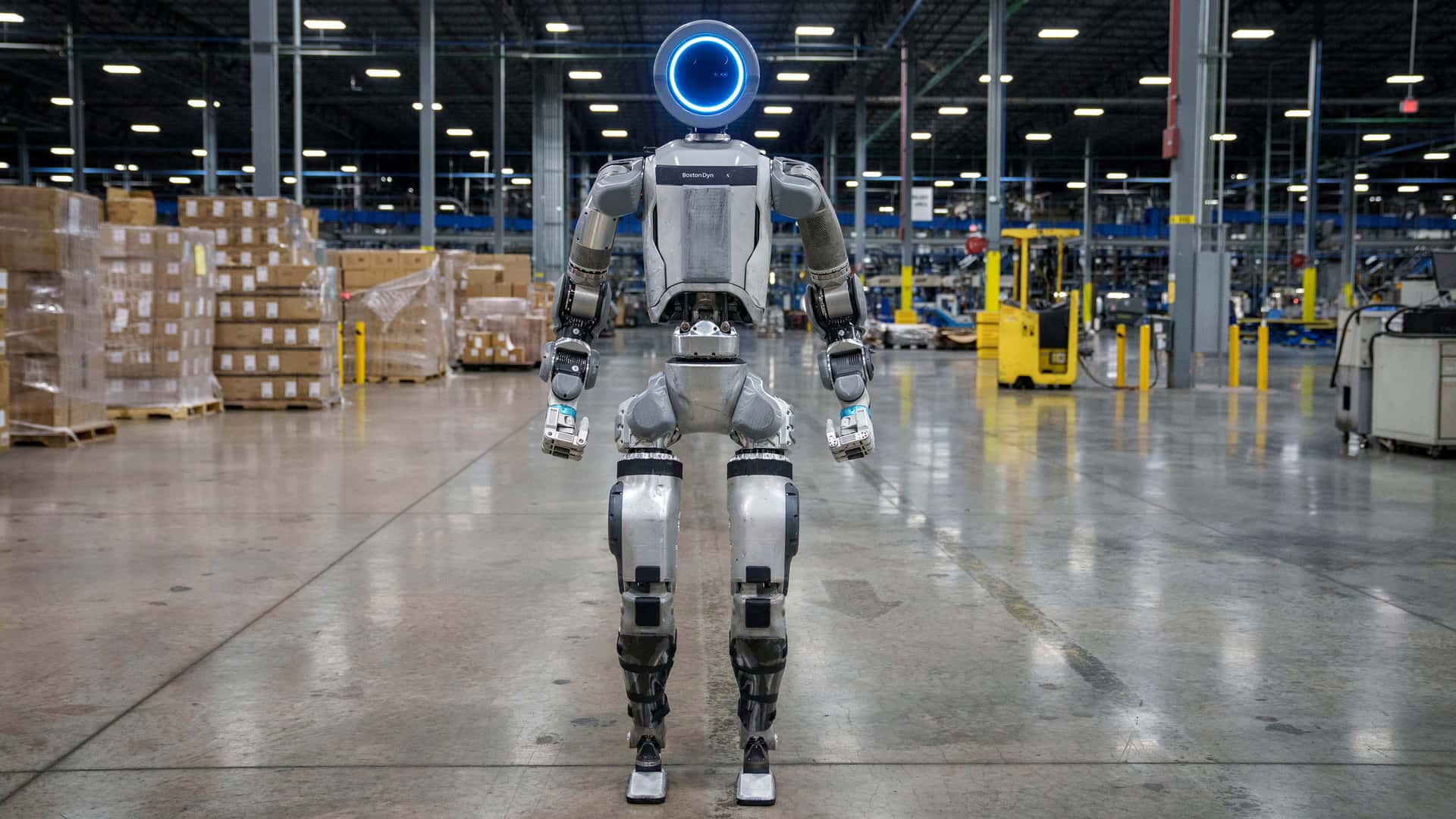
Hyundai is betting big on robots. From factory automation to humanoid machines, the automaker is rapidly expanding its robotics strategy. While this move promises efficiency and innovation, it also raises a serious question: what will happen to human jobs—and how will it affect car prices?
Hyundai Doubles Down on Automation
Hyundai has steadily increased its investment in robotics through advanced manufacturing systems and technology companies. Robots now handle tasks like welding, assembly, and quality checks. Because of this shift, production lines can operate faster and with greater precision.
Efficiency Could Lower Manufacturing Costs
Automation reduces errors and speeds up output. Over time, this could lower production costs per vehicle. In theory, savings might help offset rising EV expenses linked to batteries and software. However, lower costs do not always guarantee cheaper cars for buyers.
Job Roles Are Changing, Not Disappearing
Robots do not simply replace workers—they change the type of work available. Hyundai still needs engineers, software developers, and maintenance specialists. However, traditional factory roles may decline. This transition creates a skills gap that many workers will need help crossing.
Labor Concerns Continue to Grow
Unions and labor groups remain cautious. While Hyundai promotes robots as tools that assist humans, concerns persist about long-term job security. Fewer assembly-line positions could impact communities that rely heavily on auto manufacturing jobs.
Will Car Prices Actually Drop?
Lower production costs sound promising, but vehicle pricing depends on more than manufacturing alone. Battery prices, raw materials, and research costs still play a major role. As a result, robots may protect profit margins more than they reduce sticker prices.
Robotics Could Shape the EV Future
Hyundai’s robot strategy aligns closely with its EV ambitions. Electric vehicles require new production methods, and automation fits that shift perfectly. Robots may help Hyundai scale EV production faster while maintaining consistent quality.
A Turning Point for the Auto Industry
Hyundai’s robot push highlights a broader industry transition. Automation is no longer optional—it’s becoming essential. The challenge now lies in balancing innovation with social responsibility. How automakers manage jobs and pricing will shape public trust in the EV era.













Post Comment