CATL Says Ultra-Fast Charging Won’t Harm EV Batteries

Ultra-fast charging has long worried EV owners. Faster charging often means faster battery wear. However, CATL now says that trade-off no longer applies.
According to the world’s largest EV battery maker, its newest battery technology can handle ultra-fast charging without shortening battery life. If true, that claim could reshape the future of electric vehicles.
Why Fast Charging Usually Hurts Batteries
Traditionally, rapid charging stresses battery cells. High heat and rapid ion movement accelerate degradation. Over time, range drops and performance suffers.
Because of this, automakers limit charging speeds. Many drivers accept longer stops to protect battery health.
CATL wants to change that equation.
What CATL Says Is Different This Time
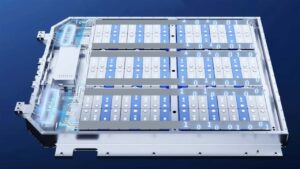
CATL claims its new battery chemistry manages heat and internal stress far better than earlier designs. The company points to improved materials, smarter cell structure, and advanced thermal control.
As a result, the battery can accept very high charging power without excessive wear. CATL says the battery maintains long-term durability even after repeated fast-charge sessions.
That assurance matters as charging speeds continue to rise.
Why This Matters for Everyday Drivers
Ultra-fast charging changes how people use EVs. Short charging stops make road trips easier. They also reduce range anxiety for new buyers.
If batteries no longer degrade faster, drivers won’t need to choose between convenience and longevity.
Moreover, fleet operators benefit even more. Taxis, delivery vehicles, and ride-hailing cars rely heavily on fast charging. Longer-lasting batteries cut costs dramatically.
Charging Infrastructure Is Catching Up
Charging networks now deploy higher-power chargers worldwide. However, battery limits have held progress back.
If CATL’s claims hold up in real-world use, automakers can unlock the full potential of those chargers. That shift could speed up EV adoption globally.
In addition, faster charging reduces congestion at busy stations.
Skepticism Remains—but Momentum Is Growing
Battery experts will want long-term data. Lab tests matter, but real-world cycles tell the real story.
Still, CATL has credibility. It supplies batteries to Tesla, BMW, Volkswagen, and many Chinese EV brands. When CATL speaks, the industry listens.
Because of that, automakers may feel more confident pushing charging speeds higher.
The Bigger Picture
Ultra-fast charging without faster degradation removes one of EVs’ biggest compromises. It brings electric driving closer to the refueling experience drivers already know.
If CATL delivers on its promise, charging speed may stop being a weakness—and start becoming a major EV advantage.








Post Comment