BMW Buyers Turn to Plug-In Hybrids as EV Sales Slow
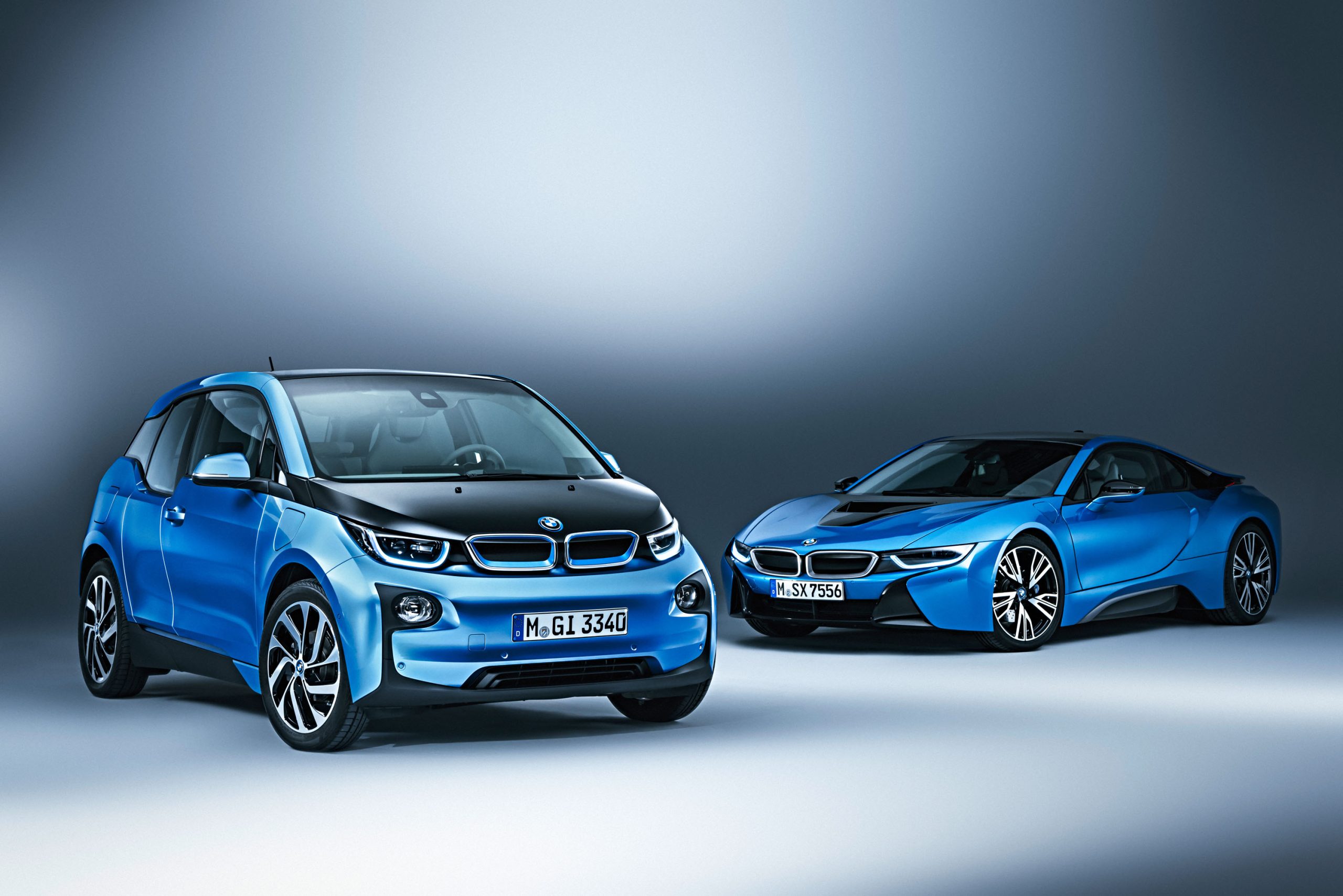
BMW buyers in the United States changed their preferences in 2025. As demand for fully electric vehicles cooled, more customers turned to plug-in hybrid electric vehicles (PHEVs). This shift highlights how buyers are balancing electrification with everyday practicality.
EV Momentum Slowed Across the Market
In 2025, Electric vehicles sales growth in the U.S. began to slow. High interest rates, charging concerns, and pricing pressures influenced buyer decisions. Because of these factors, some customers delayed switching to full battery-electric models.
PHEVs Offered a Comfortable Middle Ground
Plug-in hybrids gained popularity as a flexible solution. BMW’s PHEVs allow drivers to use electric power for short trips while keeping a gas engine for longer journeys. As a result, many buyers saw PHEVs as a safer and more convenient option.
BMW’s Plug-In Hybrid Lineup Benefited
BMW already offers several strong PHEV models, including electrified versions of the 3 Series, 5 Series, and X5. Thanks to this wide lineup, the brand could quickly respond to changing consumer demand in the U.S. market.
Charging Anxiety Still Influences Buyers
Although charging infrastructure continues to improve, range anxiety remains a concern. Therefore, PHEVs appeal to buyers who want electric driving without relying fully on public chargers. This trend became more visible as EV adoption slowed.
EV Strategy Remains Intact for BMW
Despite softer EVs demand, BMW has not backed away from full electrification. The company continues to invest in next-generation V platforms and battery technology. However, PHEVs now play a key role in the transition period.
What This Means for the U.S. Auto Market
BMW’s sales shift reflects a broader market reality. While EVs remain the long-term goal, plug-in hybrids are acting as a bridge for many buyers. In the near term, PHEVs may continue to grow as consumers adjust to electric mobility.










Post Comment