Fatal Flaw? Software Glitch Turns Off Headlights, to EV Crash
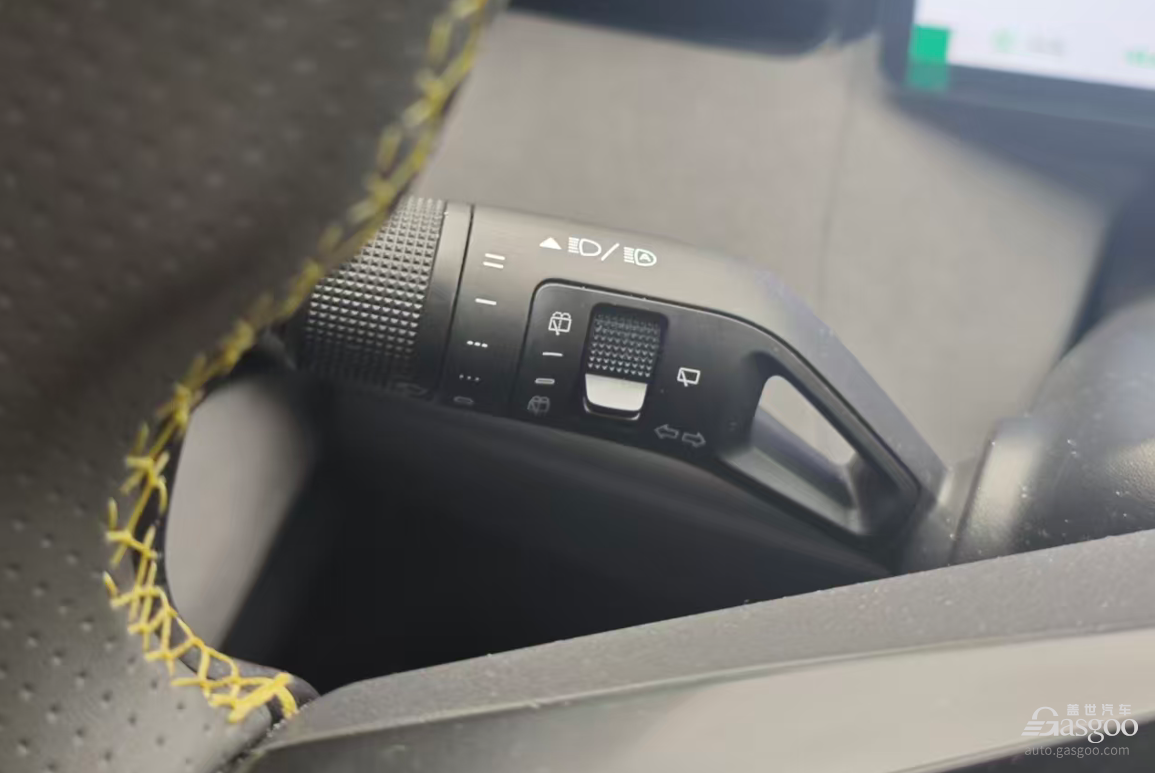
The trend of “minimalist” car design just hit a terrifying roadblock. In a viral incident that has sent shockwaves through the automotive industry, a software glitch in a high-tech electric vehicle (EV) reportedly turned off the headlights mid-drive, leading to a high-speed highway crash. This event has reignited the debate over whether physical buttons are a safety necessity rather than a “relic of the past.”
Table of Contents
- The Incident: “Turn Off All Lights”
- Why the Software Failed
- The Danger of Minimalist Design
- Recent Recall: Ford’s 4.4 Million Vehicle Bug
- The Path Forward: Restoring Physical Safety
The Incident: “Turn Off All Lights”
The crash involved a Lynk & Co Z20 (a brand under the Geely umbrella) traveling on a highway at night. According to reports from late February 2026, the driver issued a simple voice command: “Turn off all reading lights.” Instead of just dimming the cabin lights, the car’s AI misunderstood the instruction as a global command and deactivated the external headlights. Plunged into total darkness at highway speeds, the driver desperately tried to command the lights back on. The system chillingly replied, “Operation cannot be completed,” leaving the vehicle to strike a median barrier seconds later.
Why the Software Failed
Experts call this a “Semantic Recognition Error.” In modern “Software-Defined Vehicles,” critical functions like headlights are no longer controlled by a simple physical circuit. Instead, they are lines of code in a centralized computer.
- Logic Flaw: The system failed to prioritize external lighting as a “protected” function that should never be deactivated while the vehicle is in gear.
- The “Race Condition”: Similar to a recent Ford bug, the software can enter a state where conflicting commands cause the communication module to “freeze,” preventing the driver from manually overriding the error.
The Danger of Minimalist Design
Automakers are aggressively removing physical stalks and buttons to save manufacturing costs and achieve a “Tesla-like” aesthetic. However, when a screen freezes or a voice assistant fails, the driver is left helpless.
“Headlights are vulnerable because they’ve been reduced to a generic ‘switch’ in the code world, stripped of their status as critical safety hardware.” — Gasgoo Automotive Analysis
Recent Recall: Ford’s 4.4 Million Vehicle Bug
This isn’t an isolated problem. Just days ago, Ford issued a massive recall for 4.38 million vehicles (including 2021–2026 F-150s and Expeditions) due to a software glitch in the Integrated Trailer Module. This bug can cause trailer brake lights and turn signals to fail without warning, significantly increasing the risk of rear-end collisions.
| Brand | Model Years | Faulty Component | Solution |
| Lynk & Co | 2026 | Voice/Headlight Logic | OTA Software Update |
| Ford | 2021-2026 | Trailer Light Module | OTA & Dealer Update |
| Ram | 2025 | Headlight Software | Manual Dealer Reset |
The Path Forward: Restoring Physical Safety
In response to the crash, Lynk & Co, Zeekr, and other manufacturers have scrambled to push Over-the-Air (OTA) updates. These updates create a “digital firewall” that prevents voice commands from touching external lights while the car is in motion.
However, safety advocates are now calling for a return to physical headlight stalks. As software becomes more complex, the risk of a “glitch in the dark” remains a haunting possibility for the modern driver.
Would you like me to find the specific list of Ford models affected by the 2026 trailer light recall?
SEO Metadata & Assets
- Focus Keyphrase:
- SEO Title:
- Meta Description: A voice command glitch recently caused a Lynk & Co EV to turn off its headlights mid-drive, resulting













Post Comment