Tesla Megawatt Chargers Are Coming: First Locations Revealed
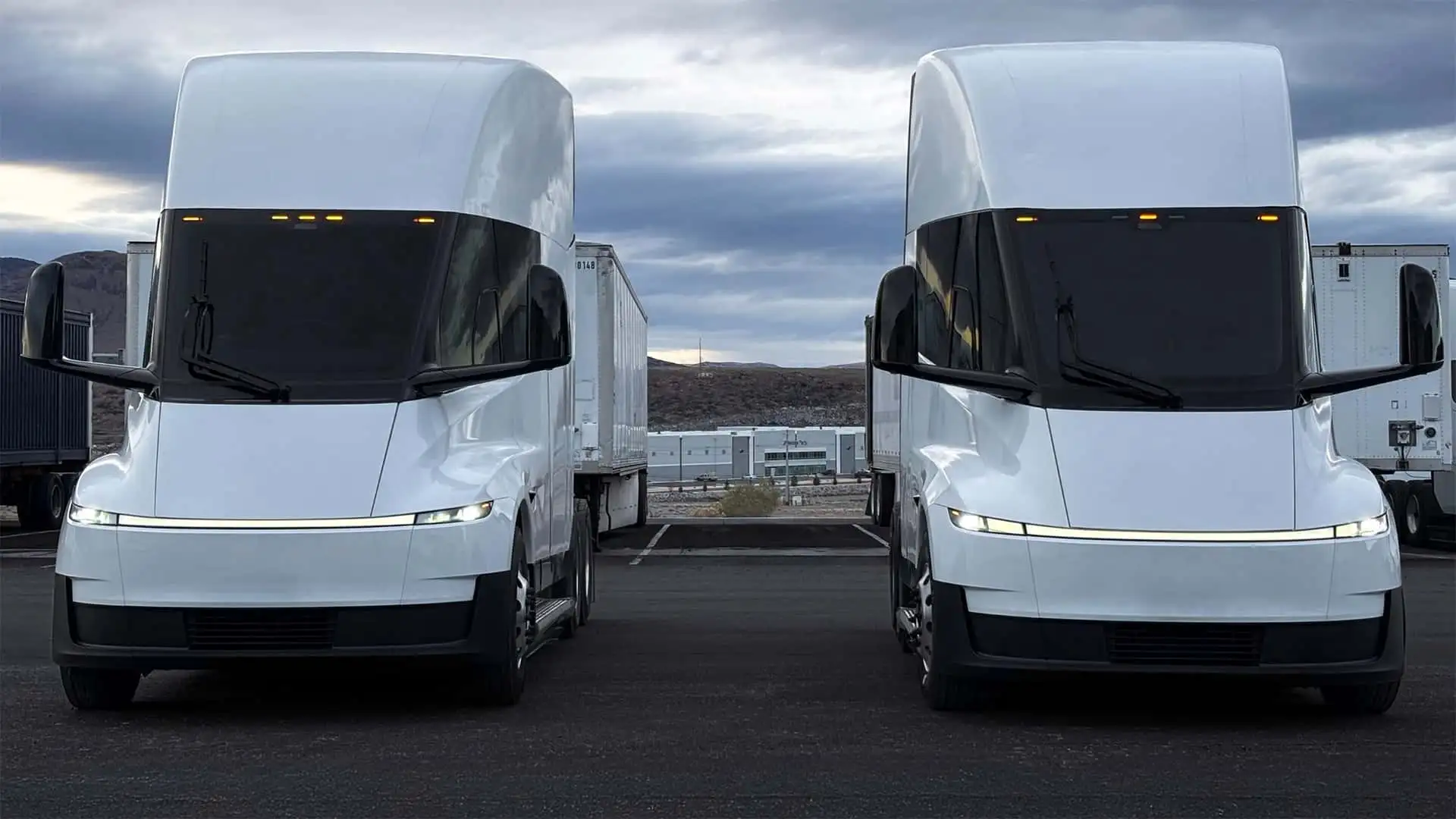
The era of long-haul electric trucking is finally shifting into high gear. While Tesla’s Supercharger network transformed passenger cars, the new Megawatt Charging System (MCS) is designed to do the same for the massive Tesla Semi. With 2026 marked as the year of volume production, Tesla has officially revealed the first wave of high-power charging sites that will form the “backbone” of America’s electric freight corridors.
Table of Contents
- The 1.2MW Power Surge: V4 Technology
- The First Hubs: California, Texas, and Beyond
- Pilot Travel Centers: The Strategic Partnership
- Interstate 5 and 10: The Freight Superhighways
- Future Compatibility: Beyond the Tesla Semi
The 1.2MW Power Surge: V4 Technology
To charge a Class 8 truck in a reasonable timeframe, standard chargers simply won’t cut it. Tesla is deploying its latest V4 cabinet technology, which delivers a massive 1.2 megawatts (1,200kW) of power per stall.
This level of output allows the Tesla Semi to recover roughly 70% of its 500-mile range in just 30 minutes. This timing is critical, as it aligns perfectly with the federally mandated 30-minute rest break for commercial truck drivers.
The First Hubs: California, Texas, and Beyond
Tesla’s updated “Find Us” map now includes 64 planned Megacharger locations across 15 states. The initial rollout is concentrated in regions where heavy-duty freight traffic is densest.
- Texas (19 sites): Leading the charge with the most planned locations.
- California (17 sites): Focusing on the vital ports of Los Angeles and Long Beach.
- The “Anchor” Cities: Major logistics hubs in Chicago, IL, and Atlanta, GA, are also slated for early 2026 openings.
Pilot Travel Centers: The Strategic Partnership
In January 2026, Tesla signed a landmark deal with Pilot Travel Centers, the largest truck stop operator in North America. This partnership solves the “real estate” problem of electric trucking.
Construction will begin in the first half of 2026 at select Pilot sites. Each location will typically host four to eight charging stalls specifically designed with the wide turning radius and length required for semi-trucks with trailers attached.
Interstate 5 and 10: The Freight Superhighways
The geographic spread of these chargers tells a clear story. Tesla is prioritizing two of the busiest freight routes in the world:
- I-5 Corridor: Connecting the entire West Coast from the Canadian border down to Mexico.
- I-10 Corridor: Linking the Pacific Coast distribution centers to the Texas markets and the Southeast.
By saturating these routes first, Tesla enables customers like PepsiCo and DHL to transition their most frequent long-haul routes to zero-emission electric power.
Future Compatibility: Beyond the Tesla Semi
While the initial rollout is exclusive to the Tesla Semi, the hardware is built on the global MCS standard. Tesla has indicated that in the future, these stalls may open to other heavy-duty manufacturers like Volvo and Daimler.
| Feature | Tesla Supercharger (V3) | Tesla Megacharger (V4) |
| Peak Power | 250 kW | 1,200 kW (1.2 MW) |
| Primary Target | Passenger Cars | Class 8 Trucks |
| Connector | NACS | MCS (Megawatt) |
As the 1.7-million-square-foot Giga Nevada Semi factory nears completion, this infrastructure ensures that the 50,000 trucks planned per year won’t just have a place to work, but a place to fuel.












Post Comment