Trump Imposes 25% Tariffs on South Korean Cars
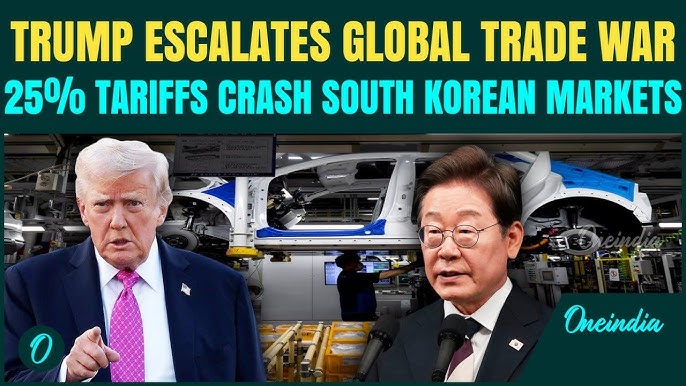
Former U.S. President Donald Trump has announced a new trade move. This time, the target is South Korea’s auto industry. Trump says he will impose a fresh 25% tariff on cars imported from South Korea if he returns to office.
As a result, global automakers and U.S. consumers are paying close attention.
What the New Tariffs Mean
Under the proposal, vehicles built in South Korea would face a steep import tax. That includes models from Hyundai, Kia, and Genesis.
Because of this, prices could rise quickly. Automakers would either pass costs to buyers or cut margins.
Why Trump Is Pushing Tariffs Again
Trump argues that foreign automakers gain unfair advantages. He claims U.S. manufacturers struggle to compete under current trade rules.
Therefore, the proposed tariffs aim to protect American jobs and factories. Trump also says the move would encourage companies to build more vehicles inside the U.S.
Hyundai And Kia Face Major Pressure
South Korean brands have grown rapidly in the U.S. market. Hyundai and Kia now rank among the top sellers.
However, a 25% tariff could disrupt that momentum. Even though both companies invest heavily in U.S. plants, many popular models still come from South Korea.
As a result, pricing strategies may need to change.
Impact On U.S. Car Buyers
For consumers, the effects could be immediate. Higher import costs often lead to higher sticker prices.
Moreover, affordable models may become harder to find. That matters, especially as inflation and interest rates already pressure buyers.
Global Trade Tensions Could Rise
This announcement also risks straining U.S.–South Korea relations. The two countries already share a revised trade agreement.
Still, Trump’s comments suggest trade disputes could return quickly. In turn, retaliation remains possible.
What This Means For EVs
Many South Korean cars are electric or hybrid. Therefore, tariffs could slow EV adoption in the U.S.
That outcome would clash with climate goals and clean-energy targets.
Final Thoughts
Trump’s proposed tariffs send a clear message. Trade policy will once again play a central role in the auto industry.
Whether the tariffs take effect or not, automakers are preparing. For now, uncertainty remains the biggest challenge.










Post Comment