Why Volvo’s Next PHEVs Will Feel Like EVs
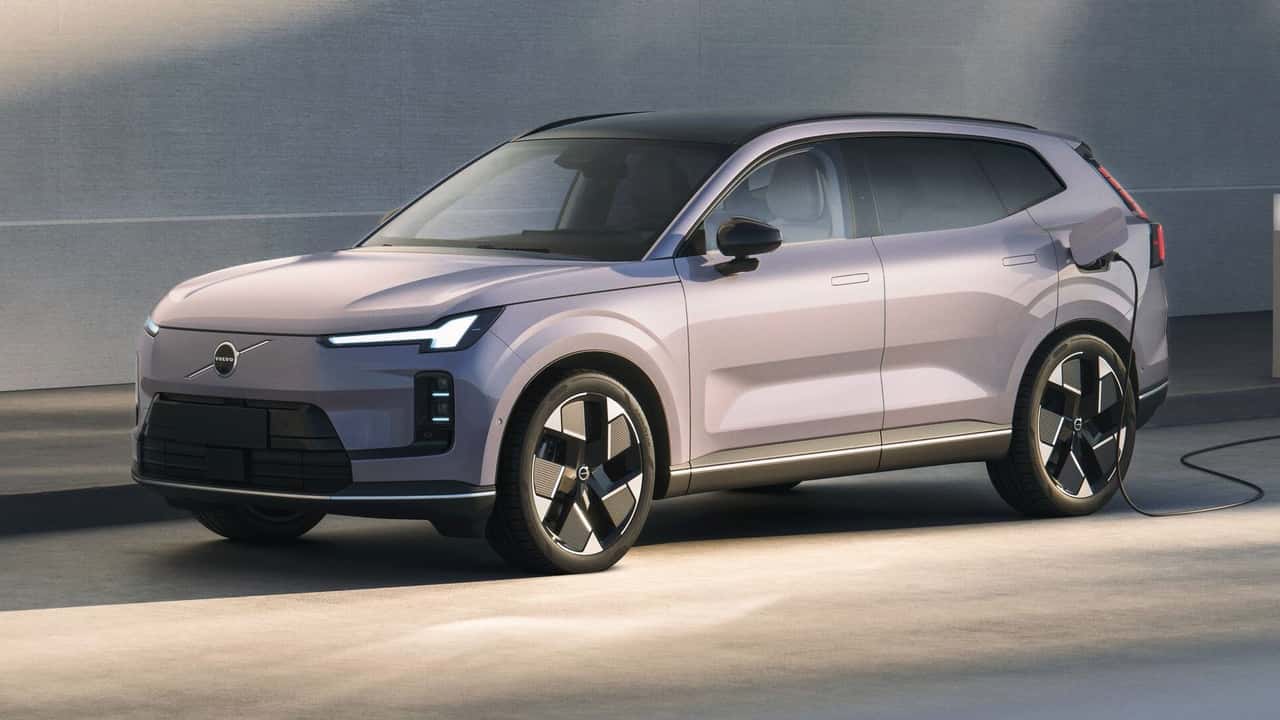
Volvo is not giving up on plug-in hybrids. Instead, the brand is reinventing them. With its so-called second-generation PHEVs, Volvo wants to blur the line between hybrids and full electric vehicles. As a result, future Volvo plug-in hybrids will feel far more like EVs than traditional gas cars.
What Volvo Means by “Second-Generation PHEVs”
First-generation plug-in hybrids focused mainly on flexibility. They offered short electric range and relied heavily on the gasoline engine. However, Volvo is now changing that formula.
Second-generation PHEVs prioritize electric driving first. In daily use, the gas engine becomes secondary. Most trips can happen without burning fuel at all.
Much Longer Electric Range
One of the biggest changes involves battery size. Volvo plans to equip its future PHEVs with larger batteries, enabling significantly longer electric-only range.
Because of this, many drivers will commute, shop, and run errands using only electricity. As a result, the car behaves like an EV most of the time.
Electric-First Driving Experience
Volvo is also reworking how these vehicles drive. The electric motor will handle low-speed and city driving by default. Meanwhile, the combustion engine will step in mainly for long highway trips.
Therefore, acceleration feels smoother and quieter. Throttle response also improves, much like a pure EV.
Faster Charging, Less Fuel Use
Charging plays a bigger role as well. Volvo is optimizing onboard chargers so owners can top up the battery more quickly at home or public chargers.
Because charging becomes easier, drivers rely less on gasoline. Over time, fuel usage drops dramatically.
Why Volvo Still Believes in PHEVs
While Volvo pushes hard toward full electrification, it recognizes real-world limitations. Charging infrastructure still varies by region. Some buyers also want flexibility for long trips.
That is why Volvo sees advanced PHEVs as a bridge technology. They help drivers transition to EVs without forcing lifestyle changes overnight.
Lower Emissions Without Range Anxiety
Thanks to extended electric range, these new PHEVs emit far less CO₂ in everyday driving. At the same time, the gas engine removes range anxiety entirely.
This balance makes second-generation PHEVs especially appealing in markets where EV adoption is still growing.
What This Means for Buyers
For consumers, the message is clear. Volvo’s future plug-in hybrids will no longer feel like compromises. Instead, they will deliver EV-like smoothness, quietness, and efficiency, with gasoline as a backup.
The Big Picture
Volvo’s strategy shows a realistic path forward. While full EVs remain the end goal, smarter plug-in hybrids can play a crucial role today.
In short, Volvo’s second-generation PHEVs won’t just support electrification—they will feel electric from the driver’s seat.











Post Comment