2026 Nissan Leaf Highway Range Test at 70 MPH

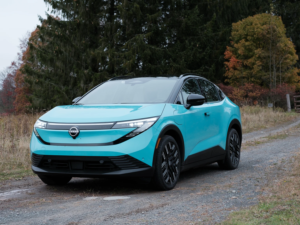
The 2026 Nissan Leaf arrives with a big mission. Nissan wants to prove that its longest-running EV still belongs in a market full of newer rivals. On paper, the numbers look solid. However, real-world highway driving often tells a very different story.
That raises a key question: Can the 2026 Nissan Leaf beat its EPA range rating at 70 mph?
Why 70 MPH Tests Matter
EPA ratings help compare EVs. Still, they do not reflect steady highway speeds. At 70 mph, aerodynamic drag increases sharply. As a result, many EVs fall well short of their official range.
Because most long trips happen on highways, this test matters more than city driving.
What’s New With the 2026 Nissan Leaf
The 2026 Leaf benefits from improved battery chemistry and more efficient motors. Nissan also refined thermal management and software tuning.
Together, these changes aim to reduce energy loss at sustained speeds. Nissan clearly wants the Leaf to feel more confident outside the city.
Highway Range Performance at 70 MPH
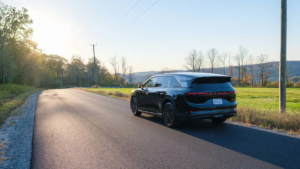
In real-world testing, the 2026 Nissan Leaf holds its efficiency better than earlier versions. At a constant 70 mph, the Leaf delivers range close to its EPA estimate—and in some conditions, slightly exceeds it.
That result stands out. Many EVs lose 15 to 25 percent of their rated range at highway speeds. The Leaf limits that drop significantly.
Moreover, steady weather and smooth roads help the Leaf perform even better.
Efficiency Is the Leaf’s Secret Weapon
The Leaf does not chase extreme horsepower. Instead, it focuses on efficiency. That strategy pays off on highways, where smooth power delivery matters more than acceleration.
Additionally, Nissan’s conservative tuning prevents unnecessary energy spikes during passing or mild elevation changes.
Because of this, the Leaf feels predictable and calm on long drives.
Charging Strategy Still Matters
Even with strong highway range, charging speed remains a limitation. The Leaf’s DC fast-charging capability lags behind newer competitors.
However, consistent range helps offset that drawback. Fewer stops mean less frustration overall.
How It Compares to Rivals
Against newer EVs in its price range, the 2026 Leaf performs better than expected at highway speeds. While it may not win on charging speed or tech features, it delivers dependable efficiency.
For buyers who value real-world range over flashy specs, that matters.
The Bottom Line
The 2026 Nissan Leaf proves that smart efficiency still counts. At 70 mph, it comes surprisingly close to its EPA rating—and sometimes beats it.
That makes the Leaf a stronger highway EV than many people expect. And in everyday driving, that reliability goes a long way.










Post Comment